
Gymnocarpos decander
Gymnocarpos decander
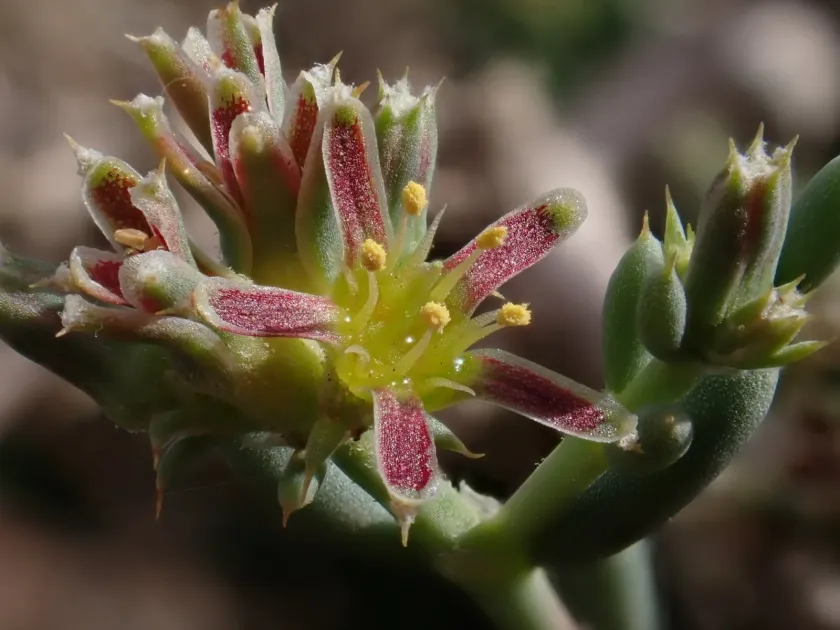
Description
Growing requirements
Gymnocarpos decander is a resilient subshrub belonging to the Caryophyllaceae family, specifically adapted to the harsh conditions of arid desert ecosystems. It is widely distributed across North Africa and the Middle East, serving as a critical component of local flora.
The plant demonstrates remarkable xerophytic characteristics, allowing it to survive in environments with extremely low annual precipitation. Its anatomy is optimized for water retention, featuring small, sclerophyllous leaves that significantly reduce transpiration rates.
Successful establishment of this culture requires well-drained, sandy, or rocky soils, preferably with a high lime content. It is highly intolerant of waterlogging, which can cause rapid root decay and plant mortality in poorly structured soils.
Agronomically, this species is valued for its potential in land reclamation and erosion control. Its expansive root system anchors loose substrate, preventing topsoil loss during frequent windstorms common in its native range.
The plant is an important forage resource for livestock, including camels, sheep, and goats, maintaining nutritional value throughout the year. Research into its cultivation focuses on sustainable harvesting to prevent overexploitation of natural stands.
Main diseases and pests
The primary threat to the species is habitat degradation caused by overgrazing, which depletes the plant's carbohydrate reserves and prevents natural seed dispersal and regeneration.
Insects, particularly locusts, represent a significant biological threat capable of causing severe damage to the foliage and preventing seasonal growth during major outbreaks.
Pathological risks are generally low due to the arid environment; however, fungal pathogens such as Fusarium can infect the root system if the soil remains saturated for extended periods.
Environmental stressors, including severe droughts that exceed the plant's physiological thresholds, can lead to the widespread death of mature populations in the most arid belts.
Inappropriate agricultural practices, such as clearing land for crop production, destroy the existing vegetative cover, leading to irreversible erosion and biodiversity loss in the region.