
Gymnacranthera bancana
Gymnacranthera bancana
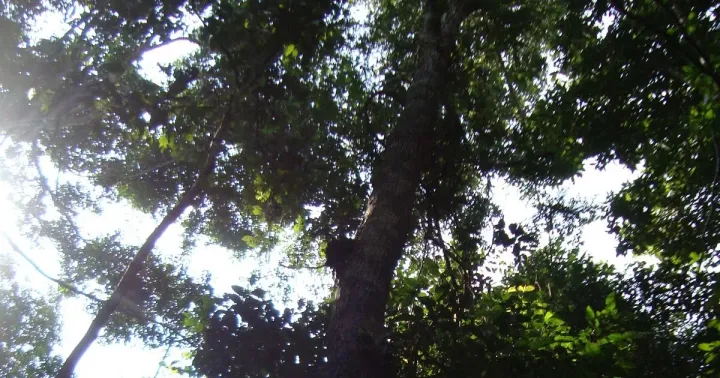
Description
Growing requirements
Gymnacranthera bancana is a prominent evergreen tree species belonging to the Myristicaceae family. It naturally grows as a mid-canopy or understory tree in the dense, lush tropical rainforests of Southeast Asia, including parts of Malaysia and Indonesia.
The tree thrives in lowland swamp environments, often establishing itself in alluvial forests or along the banks of freshwater rivers. Its ability to tolerate flooded conditions for extended periods is a key biological adaptation that distinguishes it from many other tropical timber species.
Requirements for optimal growth include a strictly tropical climate with consistent high temperatures and high precipitation levels. Humidity levels play a vital role in maintaining the health of the canopy, as the tree relies on stable ambient moisture to perform photosynthesis effectively.
Soil preferences lean towards deep, organic-rich substrates that can retain moisture for long periods. Although it can grow in various soil textures, it shows a distinct preference for sites where the water table is high, reflecting its evolution in swampy terrain.
For forestry applications, cultivation must mimic natural forest conditions. Success in reforestation projects depends heavily on maintaining the hydrological balance of the site and ensuring that young saplings are protected from competing invasive vegetation during their establishment phase.
Harvesting
The primary utility of Gymnacranthera bancana lies in its wood, which is utilized for various construction and furniture-making purposes in local regions. The timber is recognized for its workability and moderate density, making it suitable for interior applications.
Beyond timber, the seeds produced by the tree are of botanical interest due to the aromatic properties found within the Myristicaceae family. Careful selection and harvesting of these seeds are essential for research into potential oleoresins and volatile oils.
Harvesting practices typically involve manual collection of ripened fruit clusters. Post-harvest, the seeds are air-dried under controlled conditions to prevent mold growth, ensuring that the oil content remains stable for subsequent industrial or traditional extraction processes.
Sustainable forest management protocols dictate selective logging of mature trees. This approach ensures that the surrounding canopy remains intact, which provides the necessary shade and humidity levels for the growth of subsequent generations of the species.
Ongoing research aims to identify new applications for the seeds and extracts of the tree. As global interest in sustainable non-timber forest products grows, Gymnacranthera bancana may offer new opportunities for responsible land management and bio-resource utilization.