
Goupia glabra
Goupia glabra
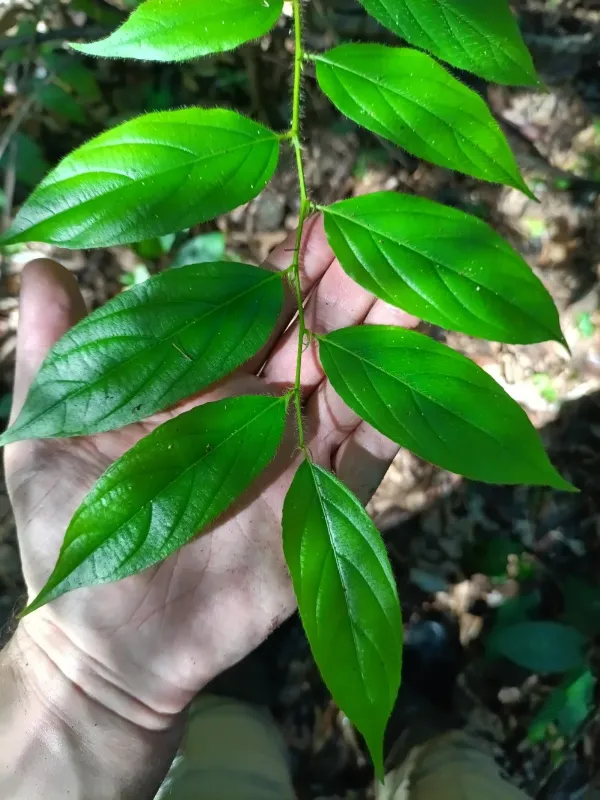
Description
Growing requirements
Goupia glabra, commonly known as cupi, is a prominent tropical tree species belonging to the Goupiaceae family. It is native to the rainforests of South America, including countries like Brazil, Guyana, and Suriname.
The species thrives in humid tropical climates characterized by high annual precipitation. It is highly adaptable, often found in both primary and secondary forests, where it prefers well-drained soils to facilitate its rapid growth.
Botanically, Goupia glabra is recognized by its straight, cylindrical trunk and dense canopy. These physical traits, combined with its ability to grow quickly in sunlit openings, make it a significant tree for forest regeneration.
Cultivation requirements focus on providing sufficient space and light for young specimens, as the tree exhibits phototropic behavior. Effective silvicultural management requires careful thinning to support the development of dominant trees.
Its timber is highly valued in industrial applications. Due to its durability and density, cupi wood is extensively utilized for heavy-duty construction, bridge building, high-quality flooring, and outdoor decking projects.
Main diseases and pests
The primary threats to Goupia glabra include fungal infections that exploit the constant humidity of the tropical environment, leading to potential wood decay.
Insects, particularly wood-boring beetles, represent a major economic challenge as they compromise the structural integrity of the harvested timber, leading to significant losses.
Unsustainable logging practices pose a long-term threat to the species, as intensive extraction can outpace the natural recruitment rate of younger trees.
Phytosanitary management in managed forests involves the removal of infested logs and the monitoring of crown health to prevent the spread of localized pathogens.
Additionally, rapid encroachment by invasive vine species can shade out younger Goupia trees, inhibiting their vertical growth and reducing overall stand productivity.