
Goudaea chrysostachys
Goudaea chrysostachys
Description
Growing requirements
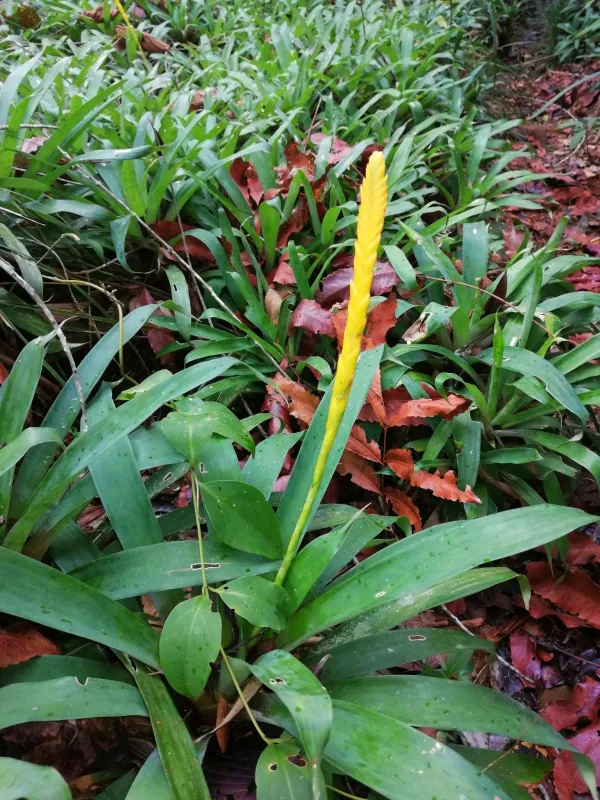
Goudaea chrysostachys is a remarkable plant species belonging to the Bromeliaceae family. Native to the tropical rainforests of the Americas, this species is known for its distinct golden-colored inflorescence and architectural growth habit.
To thrive in cultivation, this plant requires a temperature range between 20°C and 26°C. It is highly sensitive to frost and cold drafts, which can cause significant cellular damage to the foliage.
High relative humidity, typically between 70% and 80%, is essential for the healthy development of this species. In lower humidity environments, the tips of the leaves often begin to turn brown and necrotic.
The planting substrate must be well-draining and aerated, resembling the epiphytic conditions of its natural habitat. A mixture of orchid bark, perlite, and coconut fiber is recommended to prevent waterlogging.
Bright, indirect light is necessary for photosynthesis and to maintain the vibrant colors of the spike. Morning or late afternoon light is generally preferred over intense mid-day sunlight.
Main diseases and pests
Mealybugs are among the most common pests that affect Goudaea chrysostachys. They tend to cluster in the leaf axils, sucking the sap and weakening the overall structure of the plant.
Root rot is a major threat often caused by overwatering or poor drainage systems. When the roots remain in saturated soil for extended periods, they lose the ability to intake oxygen, leading to rapid decay.
Scale insects can also infest the leaves, appearing as small bumps on the surface. These pests inhibit growth and can serve as vectors for secondary bacterial or fungal infections if left untreated.
Fungal leaf spots may appear if there is poor air circulation combined with high humidity levels. It is important to ensure that the environment remains fresh and airy to prevent moisture from settling on the foliage.
Regular monitoring of the central rosette is recommended to catch infestations early. Keeping the plant in a state of vigorous growth through proper nutrition is the best defense against environmental stressors.