
Goodenia ovata
Goodenia ovata Sm.
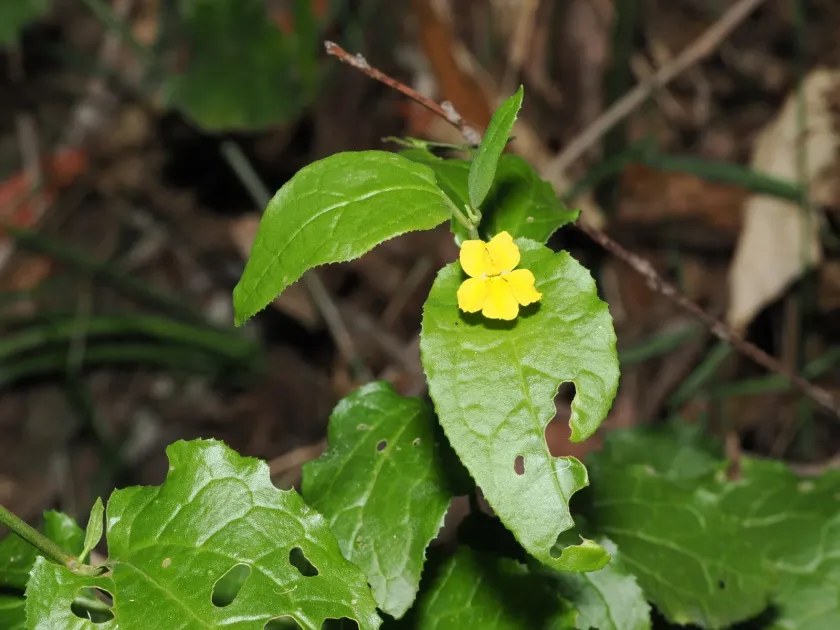
Description
Sowing dates
Propagating Goodenia ovata is typically achieved through seeds or cuttings. Sowing seeds in early spring provides the best results as the soil temperatures rise to optimal levels for germination.
Seeds benefit from light pre-treatment, such as soaking in water, to improve the germination rate. Use a high-quality seed-starting mix that is well-draining to prevent damping off.
Cuttings should be taken from semi-hardwood stems during late spring or summer. These should be placed in a humid environment and kept in a shaded area until roots are well established.
When transplanting into the garden, ensure a spacing of at least 50 centimeters. This distance is vital for maintaining proper airflow and reducing the risk of humidity-related foliage issues.
Young plants require consistent monitoring and irrigation during their first growing season to ensure their root systems expand adequately before the peak of summer.
Growing requirements
Goodenia ovata, a member of the Goodeniaceae family, is a resilient shrub native to southeastern Australia. It is highly valued for its adaptability to various landscape conditions.
The plant thrives in full sun but can tolerate partial shade. While it adapts to a wide range of soil types, it performs best in soils with high organic content and excellent drainage.
Watering requirements are moderate. While the plant is somewhat drought-tolerant once established, regular water is necessary to maintain a vibrant appearance and encourage continuous blooming.
The species prefers mild climates and is susceptible to hard frost. In colder regions, it is advisable to grow it in containers that can be moved indoors during winter.
Pruning is recommended to encourage bushier growth. Cutting back the tips after the flowering season helps maintain the desired shape and promotes new, healthy shoots.
Yield
The primary use of Goodenia ovata is in landscaping and environmental restoration projects. It serves as an excellent ground cover and erosion control plant for slopes.
It is widely appreciated for its bright yellow flowers, which bloom for an extended period throughout the warmer months, providing high aesthetic value to gardens.
In a horticultural setting, productivity is measured by the quality of plant development and the quantity of foliage produced per season. It is a robust plant that rarely requires fertilizers if the soil is healthy.
It is not cultivated for food or industrial fiber. Instead, it is grown in nurseries for retail in the ornamental plant trade, catering to enthusiasts of native vegetation.
Its ability to act as a hedge or border plant makes it a versatile tool for designers looking for low-maintenance options that support local biodiversity.
Main diseases and pests
Common pests include aphids and spider mites, which can cause significant damage to new foliage if left untreated. Regular inspection is essential for early detection.
Fungal issues such as root rot occur primarily due to poor soil drainage or excessive watering. Ensuring the plant is not sitting in water is the most important preventive step.
Powdery mildew may manifest as a white coating on leaves if the plant is in an area with stagnant, humid air. Proper spacing and airflow are the best strategies to combat this.
Chemical control should be used sparingly, prioritizing integrated pest management approaches such as removing infected parts or applying horticultural oils.
Overall, Goodenia ovata is a hardy plant with relatively few serious threats, provided that its environmental requirements for soil and sun are met consistently.