
Gongronema latifolium
Gongronema latifolium
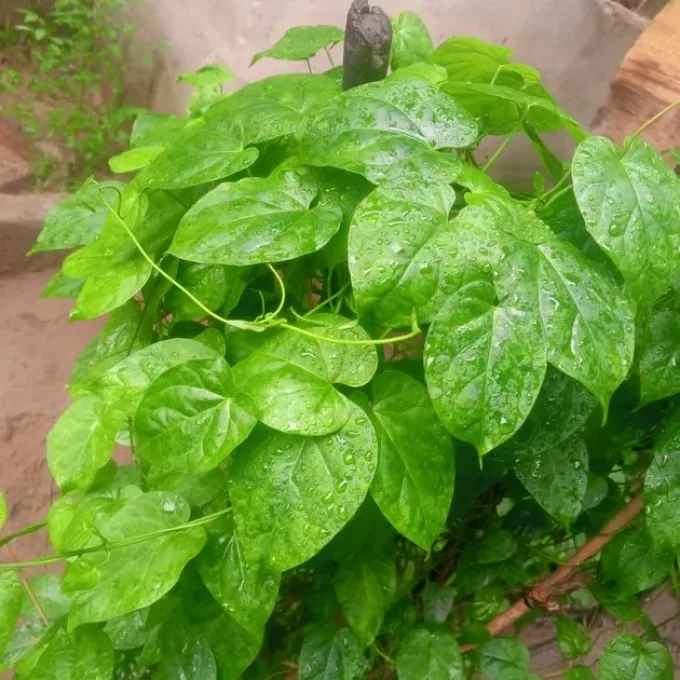
Description
Growing requirements
Gongronema latifolium is a perennial, scrambling, woody vine belonging to the Apocynaceae family. It is native to the tropical forests of West Africa, where it is extensively used in both traditional medicine and local culinary practices.
The plant thrives in humid, tropical climates with temperatures ranging from 20 to 35 degrees Celsius. It is highly adaptable but prefers partial shade or dappled sunlight, making it ideal for agroforestry settings.
Regarding soil requirements, this crop prefers deep, fertile, and well-draining soils with a high organic matter content. It does not tolerate waterlogging, as this leads to root diseases.
As a climbing plant, Gongronema latifolium requires physical support systems such as trellises, stakes, or companion trees to ensure healthy canopy development and maximum leaf yield.
Proper irrigation management is crucial during the establishment phase, although mature plants demonstrate moderate drought tolerance once their root systems are well-developed.
Main diseases and pests
The crop is susceptible to fungal leaf spots, which typically appear during periods of high humidity and excessive rain if there is insufficient air circulation among the vines.
Common insect pests include aphids and mealybugs, which tend to congregate on the undersides of leaves and on tender shoots, causing stunted growth and chlorosis.
Root-knot nematodes can pose a significant threat in intensive cultivation systems, necessitating the use of resistant rootstocks or proper soil sanitation practices before planting.
Preventive measures include maintaining proper spacing between plants and implementing organic pest control solutions like neem oil sprays to minimize the impact of infestations.
Regular field scouting is essential to identify early signs of nutrient deficiency or pest activity, allowing for targeted intervention before the damage becomes economic.
Harvesting
Harvesting of Gongronema latifolium involves the manual picking of young leaves and soft stems. These are harvested periodically throughout the growing season to encourage continuous vegetative growth.
The first harvest typically occurs several months after transplanting, once the vine has established sufficient vigor. Frequent light harvesting is preferred over heavy pruning.
Post-harvest handling is critical to preserve the aromatic qualities of the leaves. Produce should be kept in a cool, ventilated environment or processed immediately by drying.
The leaves are valued for their distinct bitter-sweet flavor, which is a staple in various traditional soups and herbal formulations across its native range.
With consistent care and appropriate harvesting intervals, a single stand of this plant can remain productive for several years, providing a sustainable source of income for smallholders.