
Yellow oatgrass
Trisetum flavescens (L.) P. Beauv.
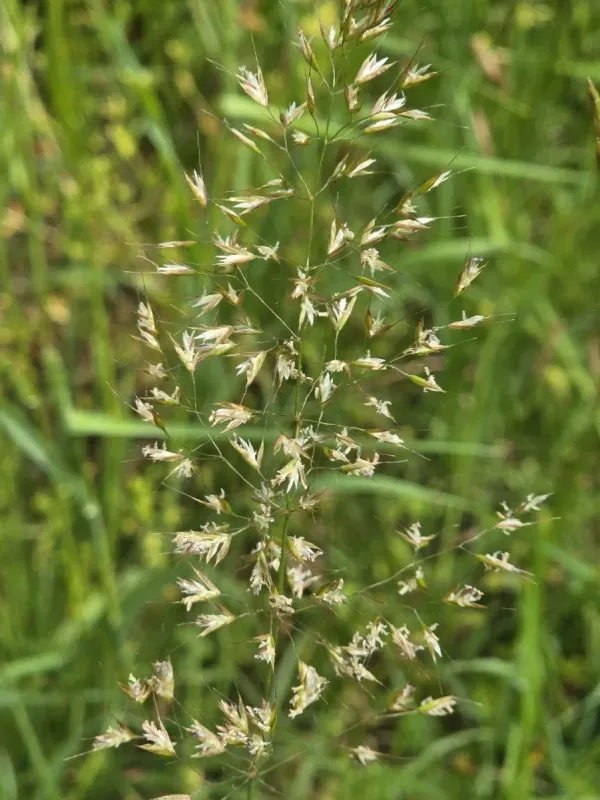
Description
Sowing dates
Yellow oatgrass is typically sown in early spring, once soil temperatures reach 8–10 degrees Celsius. Early sowing allows the plants to utilize winter moisture, which is crucial for successful establishment.
It is common to sow this species as part of a seed mixture with legumes. This approach helps create high-quality forage that is both productive and nutrient-dense, benefiting from the nitrogen-fixing properties of companion crops.
Seeds are small, so they should be sown at a shallow depth of approximately 0.5–1.5 centimeters. Following sowing, light rolling is recommended to ensure good soil-to-seed contact, which promotes uniform germination.
The sowing rate for a pure stand is generally 10–12 kilograms per hectare. When mixed with other species, the rate is reduced to balance the competition between different meadow grasses.
The establishment phase is relatively slow, requiring careful management of weeds during the first months. Keeping the site clear of aggressive weeds ensures that yellow oatgrass can develop its root system effectively.
Growing requirements
As a member of the Poaceae family, yellow oatgrass is native to temperate climates. It thrives in well-drained, fertile soils with a neutral or slightly acidic pH, avoiding areas prone to waterlogging.
This grass is highly winter-hardy and can withstand late spring frosts, making it suitable for high-altitude meadows and colder regions. It maintains its vigor even in fluctuating weather conditions.
Yellow oatgrass requires plenty of sunlight for optimal development. Shaded areas lead to stunted growth and reduced nutritional value, which is why it is best suited for open pasture or hay meadow settings.
The crop is sensitive to prolonged drought, especially during its active vegetative growth phase. Consistent moisture levels, either from rainfall or controlled irrigation, are essential to maintain high biomass production.
It responds well to balanced mineral fertilization. Nitrogen, in particular, encourages lush leaf development, while potassium and phosphorus support the plant's long-term survival and root strength.
Yield
The yield of yellow oatgrass depends significantly on the site's fertility and management. Under favorable conditions, it can produce 30–40 centners of hay per hectare with multiple harvests per season.
The quality of the forage is highly regarded due to the soft, palatable nature of the leaves. Even after the plant begins to head, it retains high nutritional content compared to coarser meadow grasses.
Yellow oatgrass is valued for its longevity, persisting in meadows for 6–8 years or more with proper maintenance. Regular mowing or controlled grazing helps maintain the vigor of the stand over time.
Seed production requires careful timing, with harvesting conducted as the panicles ripen. Using mechanical harvesters with adjustable settings helps minimize seed loss, ensuring a good yield for future planting.
Integrating clover or other legumes into the stand often results in a more stable and high-protein yield, making it an excellent choice for sustainable hay production systems.
Main diseases and pests
Common diseases affecting this crop include rust and powdery mildew, especially during warm, humid weather or in overcrowded stands. These pathogens reduce both the quantity and quality of the forage.
Pests such as cereal flies and aphids can cause damage during the active growing season. While they rarely destroy an entire crop, they can weaken the plants and slow down the regrowth process.
Root rot issues are generally associated with poor soil drainage. If the soil remains waterlogged for extended periods, the root systems become susceptible to fungal decay, leading to thinner stands.
General integrated pest management practices are usually sufficient to control these threats. Avoiding overly dense stands and maintaining proper soil health are key strategies for minimizing the impact of pests.
- Regular mowing to disrupt the lifecycle of pests and disease spread.
- Sowing certified, disease-resistant seed varieties.
- Providing adequate drainage to prevent moisture-related root issues.
- Monitoring fields periodically during periods of high humidity.
Harvesting
For hay, the optimal harvest time is during the full heading phase. Harvesting at this stage ensures the best balance between biomass volume and the nutritional quality of the forage.
Seed harvesting should be performed once the panicles have turned brown and reached full maturity. Using a two-stage harvesting process (cutting and then threshing) helps to maximize the quantity of recovered seeds.
When used as pasture, managed grazing is recommended to ensure the grass is not overgrazed. Leaving adequate stubble height allows the plants to regrow rapidly after being grazed by livestock.
Drying hay quickly is essential for preserving color and nutrient retention. Frequent turning of the hay in the field helps to achieve uniform moisture levels, resulting in a superior final product.
After the final cut of the season, it is important to allow the grass a period of rest. This rest allows the plants to store energy in their roots, ensuring a strong start for the following spring.