
Glycyrrhiza pallidiflora
Glycyrrhiza pallidiflora
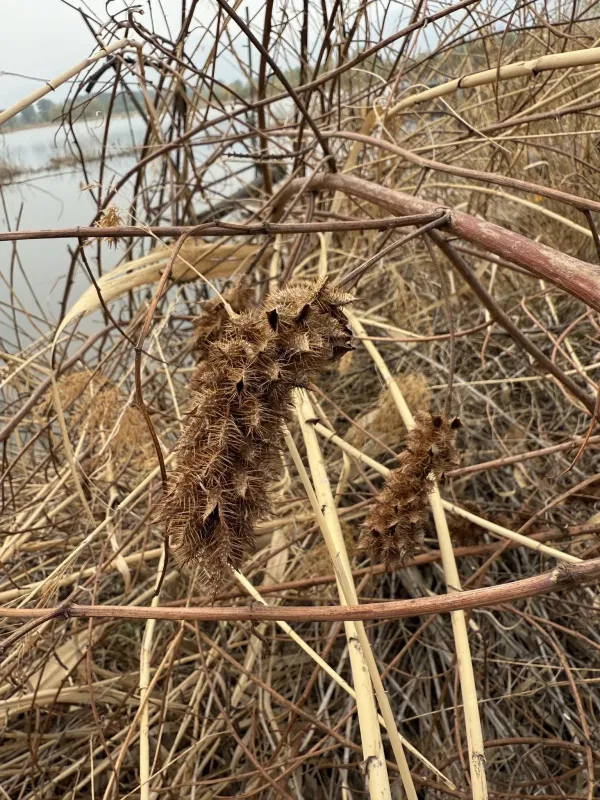
Description
Sowing dates
Sowing of Glycyrrhiza pallidiflora is typically performed in early spring when the soil temperature consistently reaches the necessary threshold for germination.
Given the hard seed coat, scarification is a mandatory agricultural step to ensure uniform germination and reduce the dormancy period of the seeds.
The recommended planting technique is the row-crop method, with spacing between rows maintained at 60 to 70 centimeters to support optimal air circulation.
Seeds are placed at a depth of 2–3 centimeters, ensuring they have sufficient soil moisture contact without being buried too deep for emerging shoots.
Field managers should monitor moisture levels closely during the first few weeks after sowing to prevent the drying out of the fragile seedbed.
Growing requirements
This perennial species from the Fabaceae family is known for its deep root system, which dictates its preference for specific soil types.
Glycyrrhiza pallidiflora thrives in loose, sandy loam or loamy soils that possess excellent drainage capacity to prevent root zone saturation.
The plant demonstrates significant drought tolerance once established, though it requires consistent moisture throughout its early development stages.
Sunny, open sites with minimal shading are ideal, as the plant requires abundant solar energy for the accumulation of active compounds in its roots.
Neutral to slightly alkaline pH levels in the soil are generally preferred to maximize nutrient uptake and overall plant vigor.
Yield
The yield of Glycyrrhiza pallidiflora is cumulative, meaning the harvest weight increases significantly as the plants remain in the ground longer.
Most commercial plantations are kept for three to four years before the final harvest, allowing the roots to develop substantial biomass.
Proper fertilization, focusing on balanced NPK ratios, can significantly boost the annual growth rate of the underground rhizomes.
Yield estimation is usually based on the dry weight of the processed roots, which constitutes the marketable part of the crop.
Intensive cultivation management, including weed control and strategic irrigation, is the key factor in achieving high-quality production levels.
Main diseases and pests
Glycyrrhiza pallidiflora is relatively resilient, but young plantations may face threats from leaf-eating beetles and localized insect pests.
Root rot is the most common pathology, typically triggered by excessive irrigation or planting in heavy, poorly drained clay soils.
Effective pest management involves integrated practices, starting with careful site selection and the removal of host weeds from the surrounding areas.
Crop rotation should be strictly observed to minimize the build-up of soil-borne pathogens that can devastate long-term perennial root crops.
Proactive monitoring during the humid season helps in identifying early signs of fungal infections, allowing for targeted preventative interventions.
Harvesting
Harvesting is a highly technical task requiring specialized mechanical equipment, such as deep-digging root lifters, to minimize root breakage.
The best time for harvesting is late autumn when the plant enters dormancy, ensuring the highest concentration of phytochemicals in the roots.
Post-harvest processing involves immediate mechanical cleaning, washing to remove debris, and sorting based on root thickness and health.
Drying is a critical stage where the roots are processed in climate-controlled units to reduce moisture content while preserving chemical stability.
Properly cured roots are then packaged and stored in cool, dry conditions to ensure long-term stability and quality for pharmacological use.