
Glycine tomentella
Glycine tomentella
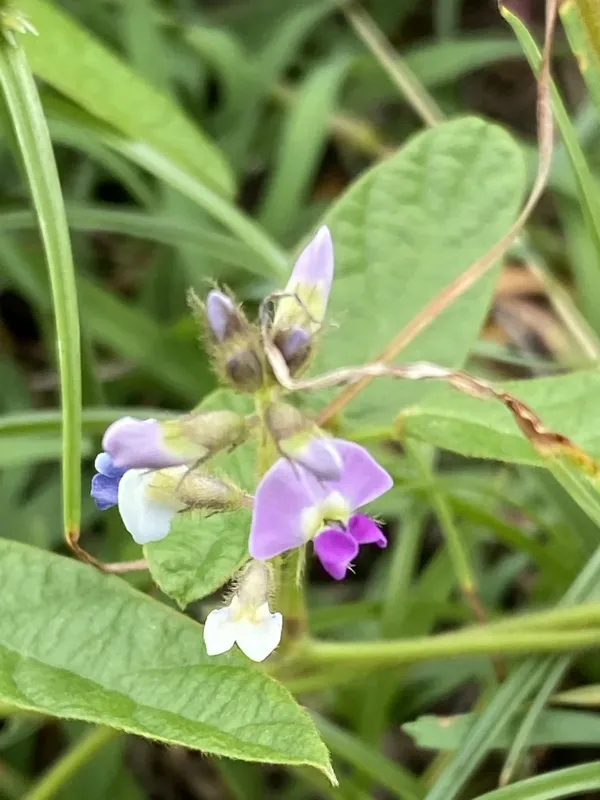
Description
Sowing dates
Glycine tomentella is a perennial legume recognized for its significant ecological and agricultural value. Sowing should occur once soil temperatures consistently exceed 15 degrees Celsius to ensure rapid germination.
The seeds are typically sown at a depth of 2–3 centimeters, depending on soil texture. In larger agricultural plots, precise spacing is essential to minimize intraspecific competition for nutrients and light.
Proper seedbed preparation is vital, as the seedlings are sensitive to weed pressure in the early stages. Cultivators often employ light harrowing prior to planting to remove dormant weed seeds from the upper soil layer.
Inoculation of seeds with specific nitrogen-fixing bacteria is a standard practice to maximize plant vigor. This symbiotic relationship provides the necessary nitrogen for optimal growth throughout the season.
Sowing in autumn or spring depends on the regional climate, with the primary goal being the avoidance of frost damage. Establishing a strong root system before the first major environmental stress is key to success.
Growing requirements
This species thrives in diverse environmental conditions, showing high adaptability to varying soil types, including sandy, loamy, and clay soils. It prefers well-drained locations to avoid root zone saturation.
Sunlight exposure is crucial, as the plant is a heliophyte. Inadequate solar radiation results in reduced biomass production and limited reproductive output, which decreases overall harvest yields.
The plant exhibits remarkable drought tolerance due to its deep taproot system, which accesses subsoil moisture. However, consistent water availability during the peak growing season enhances forage quality.
Temperature range requirements are moderate to warm, making it suitable for subtropical and temperate regions. Soil acidity should ideally be near neutral to support efficient nutrient uptake.
Agricultural management includes balanced fertilization, focusing on potassium and phosphorus levels to promote root development. Proper aeration through timely cultivation helps prevent soil compaction.
Main diseases and pests
Fungal pathogens such as Rhizoctonia solani and various Fusarium species pose significant risks, especially under high humidity conditions. These pathogens can cause damping-off in seedling populations.
Insect pests including aphids and various lepidopteran larvae may feed on foliage and developing pods. Integrated pest management strategies are often implemented to preserve beneficial insect populations.
Root-knot nematodes can cause significant economic losses by damaging root systems and reducing water and nutrient uptake. Rotating with non-host crops is the primary method of population control.
Viral infections, transmitted by insect vectors like whiteflies, can lead to stunted growth and leaf chlorosis. Field sanitation, including weed removal, is critical in managing potential disease reservoirs.
Environmental stress, particularly prolonged flooding, can increase susceptibility to soil-borne pathogens. Monitoring fields for signs of wilting or discoloration allows for early intervention and mitigation of losses.