
Lithuanian mannagrass
Glyceria lithuanica
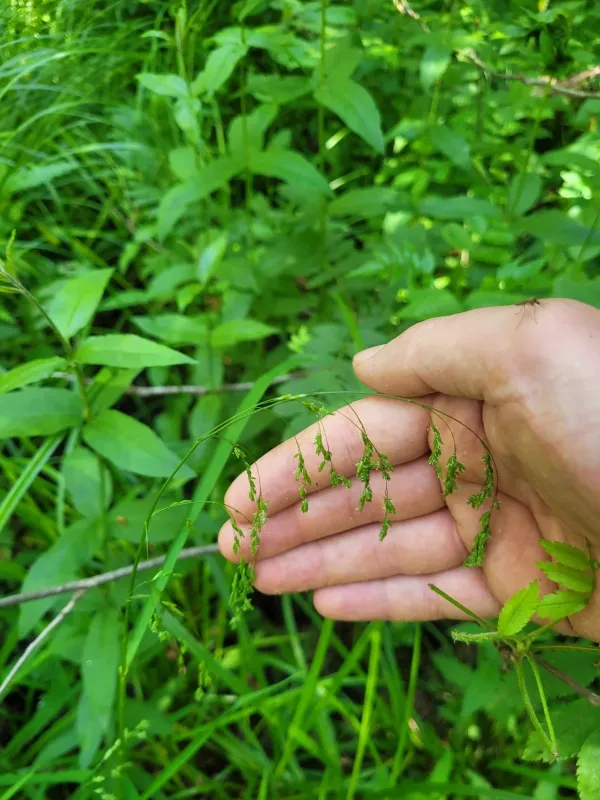
Description
Growing requirements
Lithuanian mannagrass (Glyceria lithuanica) is a perennial grass species within the Poaceae family. It is a highly moisture-loving plant, typically found in damp meadows, riverbanks, and marshy woodland areas across Northern and Eastern Europe.
Botanically, it is characterized by its rhizomatous growth pattern, which allows the plant to thrive in silt-rich, saturated soils. It requires consistent water availability and is well-adapted to high-water table environments where other conventional forage crops would fail.
The climate requirements of this species reflect its native range in cool, temperate zones. It exhibits strong winter hardiness and can endure significant frost, making it a reliable perennial option for regions with long, harsh winters.
Soil preferences include deep, nutrient-rich substrates with a neutral to slightly acidic pH. The plant performs best in areas where moisture levels are maintained throughout the growing season, preventing the roots from drying out during brief summer droughts.
While the species can tolerate partial shade, optimal biomass production occurs in full sunlight. Proper site selection is crucial for commercial cultivation, ensuring the location can support the plant's unique hydration needs without causing long-term water stagnation.
Yield
Lithuanian mannagrass is utilized primarily in forage production for permanent pastures and hay meadows located in lowland, poorly drained areas. It is valued for its early spring regrowth, providing fresh fodder when other grasses may still be dormant.
The nutritional profile of the grass is generally favorable for livestock, particularly cattle. When harvested at the appropriate vegetative stage, it provides a high-quality, palatable feed rich in essential minerals and digestible proteins.
Yield capacity is closely linked to site moisture and soil fertility. In ideal managed meadows, the grass can produce multiple cuts per season, significantly contributing to the overall forage supply of an agricultural enterprise.
Management techniques such as strategic fertilization and rotational grazing help maximize the productivity of the stands. These practices also promote the development of a dense sod, which helps suppress invasive weeds and improves the structural integrity of the field.
The timing of the harvest is critical; delaying cutting until the plant reaches maturity reduces the nutritional value due to the increase in crude fiber. Consequently, farmers should prioritize early-to-mid season harvesting to maintain optimal feed quality.
Main diseases and pests
The primary threats to Lithuanian mannagrass in cultivation involve fungal pathogens that thrive in the humid microclimate of a dense meadow. Rusts and various foliar spots are the most common diseases that can affect the foliage and reduce biomass.
Insect pests, including aphids and cereal-feeding beetles, may cause sporadic damage, especially during periods of high humidity and heat. Early detection and monitoring are essential to prevent significant yield losses in commercial settings.
Competition from unwanted wetland flora is a significant challenge. If the stand is not managed properly, other competitive weeds can quickly overtake the site, necessitating selective mowing or site maintenance to preserve the mannagrass population.
Improper drainage management, leading to prolonged stagnant water, can stress the root system and make the crop more susceptible to rot and secondary infections, ultimately leading to thin and unproductive stands.
Harvesting challenges due to adverse weather are a notable risk. Ensuring the grass is dried correctly after cutting is vital to prevent mold growth and maintain the safety and nutritional integrity of the stored hay.