
Gloxinia perennis
Gloxinia perennis
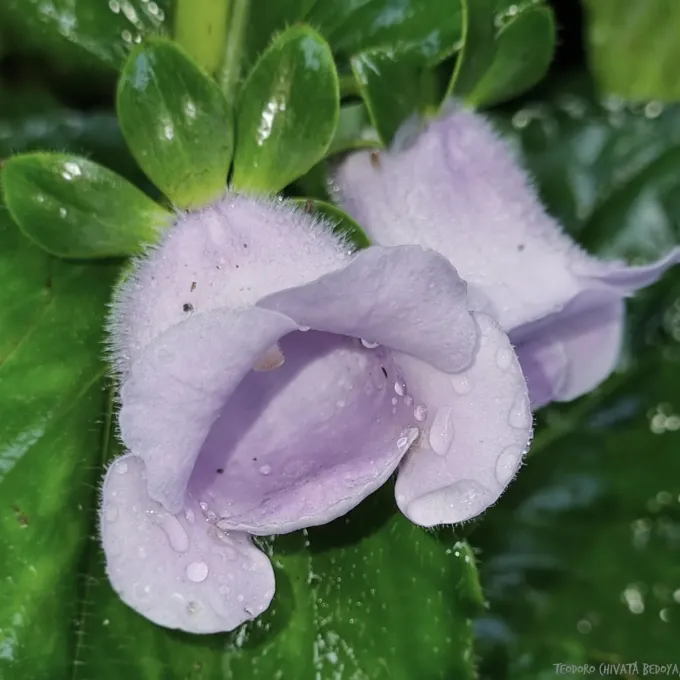
Description
Sowing dates
Propagation of Gloxinia perennis is typically performed using seeds, which are sown in late winter or early spring. Due to their minute size, the seeds are scattered on the surface of a moist potting medium without being covered.
To ensure germination, the trays should be covered with plastic or glass to maintain a humid microclimate. The temperature should be kept stable between 22 and 24 degrees Celsius throughout the germination process.
Seedlings are pricked out once they develop their first set of true leaves. Providing adequate bright, indirect light is essential at this stage to prevent the plants from becoming leggy or weak.
Vegetative propagation via rhizome division is also common, especially when managing mature specimens. This method is preferred by growers looking to maintain specific plant vigor and shorten the time to flowering.
When grown from seed, young plants require a consistent environment with minimal disturbance to the roots to ensure robust development during the first growing season.
Growing requirements
Gloxinia perennis is a member of the Gesneriaceae family and is native to the tropical regions of South America and the Caribbean. It thrives in high-humidity environments that mimic its natural forest floor habitat.
The plant requires well-draining, nutrient-rich soil that is slightly acidic. A mixture of peat, perlite, and humus provides the ideal structure to support the delicate root system while maintaining moisture.
Temperature management is critical; the species performs best between 20 and 25 degrees Celsius during the growing season. It is highly sensitive to cold drafts and rapid changes in ambient temperature.
Indirect bright light is required for approximately 12–14 hours per day to stimulate prolific flowering. Direct exposure to the midday sun can cause scorching of the leaves and premature wilting.
Proper water management involves keeping the substrate consistently moist but never waterlogged. During the winter dormancy phase, the plant enters a rest period where water should be significantly reduced.
Main diseases and pests
Fungal diseases are a significant threat to Gloxinia perennis, particularly powdery mildew and gray mold (Botrytis). These conditions are exacerbated by poor air circulation and excessive humidity levels.
Root rot, caused by overwatering or poor drainage, is a common issue that can quickly destroy the rhizomes. Prevention involves using sterile soil and allowing the surface of the medium to dry slightly between waterings.
Spider mites are a common pest in indoor environments where air humidity is low. These insects damage leaf tissues, leaving characteristic yellow spots and fine webs on the underside of foliage.
Thrips can also infest the flowers, leading to discolored and deformed blossoms. Monitoring for these pests is essential, especially during the active growth and blooming phase.
Chemical control should be used judiciously, prioritizing biological pesticides or neem oil whenever possible to ensure the safety of the plant and the surrounding environment.