
Glottiphyllum longum
Glottiphyllum longum (Haw.) N. E. Br.
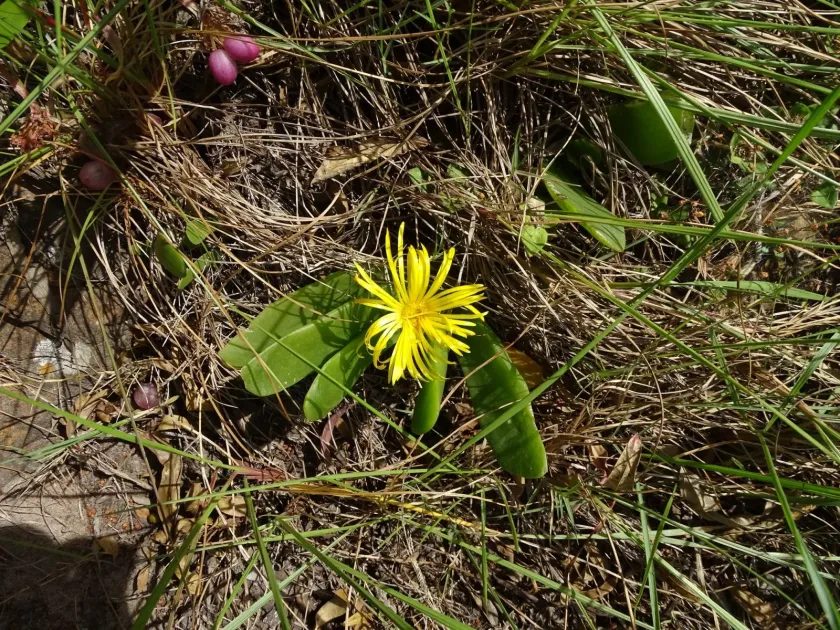
Description
Growing requirements
Glottiphyllum longum is a fascinating succulent species belonging to the Aizoaceae family. Native to the semi-arid regions of South Africa, this plant has evolved to thrive in environments where water is scarce and sunlight is intense for most of the year.
The plant exhibits distinct botanical features, including elongated, fleshy leaves that often grow in pairs and form dense, low-growing rosettes. These leaves act as natural water reservoirs, allowing the plant to sustain itself during extended periods of drought.
Cultivation requirements for this species focus heavily on light and drainage. It requires high levels of natural sunlight to maintain its compact growth form; insufficient light often leads to weak, elongated growth that compromises the plant's structural integrity.
The soil medium must be highly porous and inorganic. A mixture consisting primarily of coarse sand, perlite, and a small amount of potting soil is ideal. This ensures that moisture does not linger around the delicate root system for long periods.
Watering management is crucial for the health of Glottiphyllum longum. The "soak and dry" method is recommended, where the soil is allowed to dry out completely between waterings. During winter, the plant enters a period of dormancy and requires very little to no water.
Main diseases and pests
Typical pests affecting this succulent include mealybugs and spider mites. These pests tend to target the inner folds of the leaf rosettes, where they can be difficult to spot. Early detection through regular monitoring is the most effective management strategy.
The most common and dangerous threat to the plant's longevity is root rot caused by poor drainage or overwatering. Once rot settles into the core or roots, the damage is often irreversible, making preventative watering practices the primary defense against plant death.