
Clianthus puniceus
Clianthus puniceus (G. Don) Soland. ex Lindl.
Description
Sowing dates
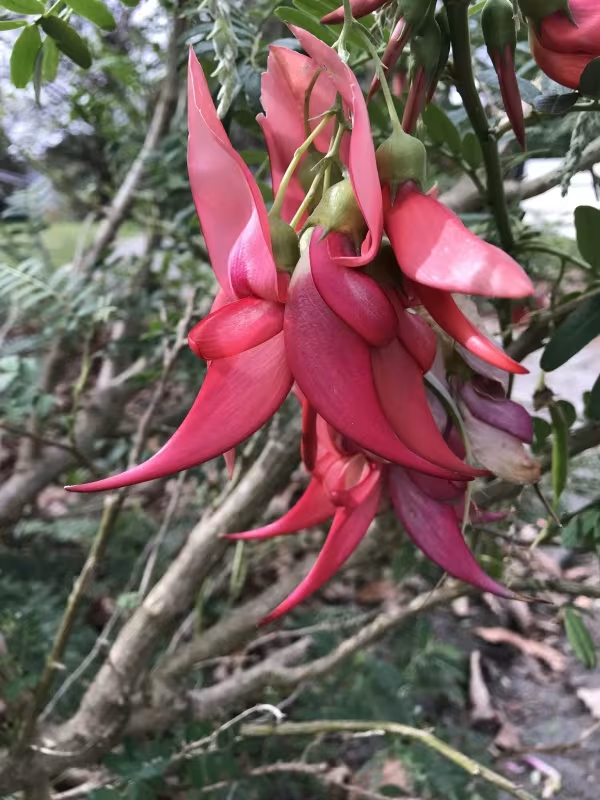
Clianthus puniceus, commonly known as the parrot's beak or kaka beak, belongs to the Fabaceae family. Propagation is primarily carried out through seeds sown in late winter or early spring.
The seeds possess a hard coat and require scarification or soaking in lukewarm water for several hours to improve germination rates, which typically occur within two to three weeks.
Seedlings should be grown in a well-drained, sterile potting mix under bright indirect light. Maintaining a consistent temperature of around 20 degrees Celsius is essential for steady development.
Once seedlings have developed their first true leaves, they should be carefully transplanted into individual pots to avoid root disturbance during later stages of growth.
Acclimatization to outdoor conditions should be gradual. Moving plants to their permanent location is only recommended once all risk of frost has passed in the spring.
Growing requirements
This species thrives in fertile, well-draining soil with a slightly acidic to neutral pH level. Proper drainage is the single most important factor to prevent root rot in this species.
The plant performs best in a sunny position; however, in regions with intense summer heat, light afternoon shade is beneficial to prevent leaf scorch and heat stress.
Clianthus puniceus is not frost-tolerant and requires protection from temperatures below freezing. It is often successfully grown as a container plant in temperate climates to allow for overwintering indoors.
Watering should be regular and consistent during the growing season, allowing the top layer of the substrate to dry out slightly before the next irrigation cycle.
As a trailing shrub, it requires adequate support structures such as trellis or wires. Training the branches early helps in creating a well-structured and aesthetically pleasing display of its unique flowers.
Main diseases and pests
Spider mites are a common threat, especially in warm and dry environments. These pests can quickly weaken the plant by feeding on the undersides of the leaves.
Mealybugs and aphids frequently target the tender new growth and developing flower buds, which can lead to stunted growth and reduced floral displays.
Root rot, often caused by poor drainage or overwatering, is the most common fatal disease for this plant. Symptoms include wilting and yellowing leaves despite sufficient soil moisture.
Integrated pest management strategies, such as using neem oil or insecticidal soaps, are effective for controlling common infestations without harming beneficial insects.
Maintaining good air circulation is essential for reducing the risk of fungal pathogens and ensuring the long-term health of the plant in both greenhouse and outdoor environments.