
Corn marigold
Glebionis segetum
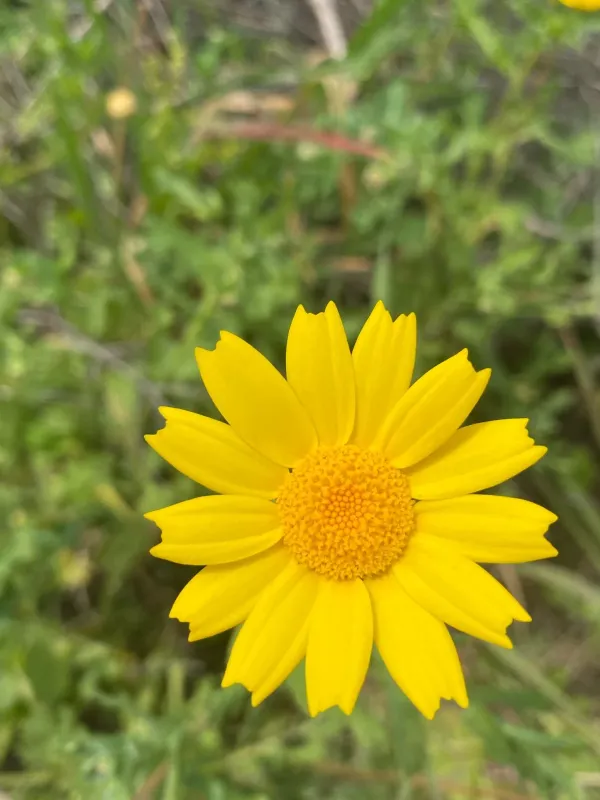
Description
Sowing dates
The corn marigold is an annual plant propagated primarily through seeds. Sowing is typically carried out in early spring as soon as the soil temperatures reach 10–12 degrees Celsius to ensure successful germination.
Transplanting can be used for earlier flowering by starting seeds in greenhouse trays during March. Seedlings are then moved to the field once the risk of spring frosts has completely passed.
Seed depth is crucial and should be maintained at 1–2 centimeters. Planting too deep can significantly impede the emergence of seedlings and reduce the overall plant population density.
A row spacing of 30 to 45 centimeters is recommended for optimal plant development. This distance allows for adequate nutrient uptake and ensures that each plant receives sufficient sunlight.
Seedlings typically emerge within 10–14 days. During this period, it is essential to monitor soil moisture to prevent the surface from drying out, which can be detrimental to the young, developing roots.
Growing requirements
Corn marigold thrives in open, sunny locations. It is a highly light-demanding crop, and any degree of shading will result in spindly growth and a notable decrease in the number of flowers produced.
While adaptable to various soil types, the plant performs best in light, fertile loams with a neutral or slightly acidic pH balance. Good soil structure is vital for healthy growth.
Effective drainage is perhaps the most critical soil requirement. Waterlogged conditions promote root rot and can quickly lead to the decline of the entire crop if not addressed immediately.
The ideal temperature range for active growth is 18–22 degrees Celsius. The crop is moderately cold-tolerant but performs best when temperatures remain stable throughout the active growing season.
Regular cultivation between rows is necessary to prevent soil crusting and to manage weeds that compete for moisture and nutrients, especially in the early stages of the crop's development.
Yield
The yield of the corn marigold is heavily influenced by soil fertility and the management of plant density. Well-tended crops produce a high number of vibrant flower heads throughout the season.
One of the key biological characteristics of the species is its extended flowering period, which spans from mid-summer until late autumn, allowing for multiple harvest intervals for floriculture.
The crop is highly valued in both landscaping and commercial floriculture. Its bright yellow, daisy-like flowers are popular in professional floral arrangements due to their visual appeal.
Beyond its ornamental use, the corn marigold serves an ecological function by attracting beneficial insects and pollinators, contributing to the biodiversity of the surrounding agricultural ecosystem.
- Long vegetative period
- High stress tolerance
- Significant aesthetic value
- Low-input requirements for poor soils
Main diseases and pests
Aphids are the most common pests affecting the corn marigold, often feeding on the succulent stems and developing buds. Regular field scouting is necessary to identify infestations early.
Powdery mildew can pose a risk during periods of high humidity and poor air circulation. Ensuring proper spacing between plants helps mitigate the spread of fungal spores across the field.
Grey mold may develop during persistent wet weather. Affected plant parts should be removed promptly to prevent the spread of the infection to healthy tissues within the crop canopy.
Root rots are generally caused by excessive soil moisture and poor site selection. Focusing on adequate irrigation management is the most effective preventative measure against these soil-borne pathogens.
Integrated pest management strategies, including the encouragement of natural predators, can significantly reduce the need for synthetic chemical inputs while maintaining a healthy crop yield.
Harvesting
Flower heads should be harvested when they are fully open. For the best post-harvest quality, collect the flowers in the early morning when the plants have high internal water content.
Seed collection requires careful timing; harvest the heads as they turn brown but before they disperse their seeds. The seeds are light and prone to shattering in windy conditions.
Collected seed heads must be dried thoroughly in a well-ventilated, shaded area. Proper drying ensures seed viability and prevents fungal growth during the storage period.
Store seeds in cool, dry conditions within breathable containers. Maintaining low moisture levels is critical for preventing spoilage and ensuring high germination rates for the following season.
Selection of superior mother plants during the peak flowering season is recommended to maintain and improve the desired characteristics of the crop for future agricultural cycles.