
Glaucidium palmatum
Glaucidium palmatum
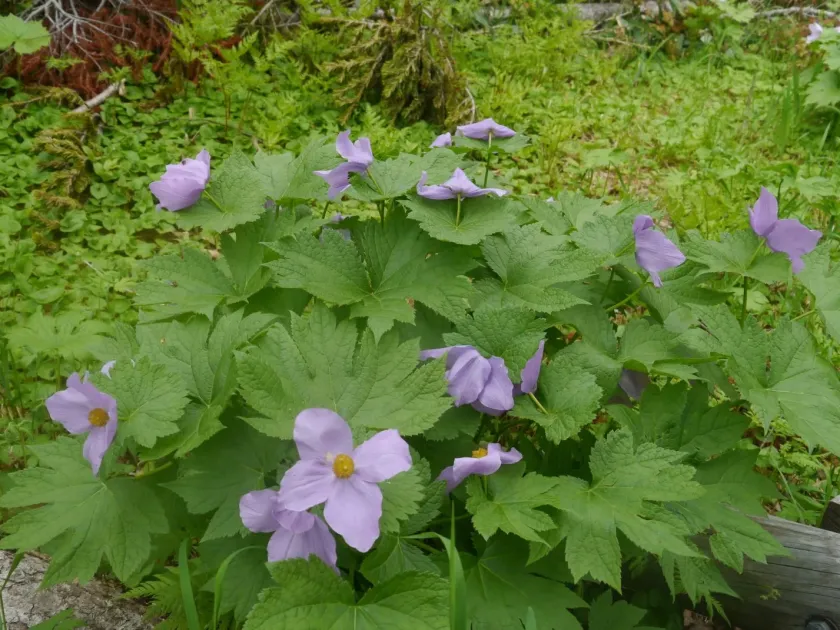
Description
Sowing dates
Propagation of Glaucidium palmatum is primarily achieved through division of the rhizomes. This operation should be performed in early spring before the buds break dormancy or in late summer after the plant has finished its growth cycle.
Seed propagation is challenging and requires a cold stratification process. Seeds must be kept at low temperatures for several months to successfully break physiological dormancy and trigger germination.
Fresh seeds should be sown immediately after harvest, as their viability decreases significantly over time. Sowing should be done in a light, sterile potting mix with high organic matter content.
The germination period can be erratic, and seedling growth is exceptionally slow during the first few years. Seedlings require constant shade and protection from dry environmental conditions to thrive.
When transplanting divisions, ensure the rhizomes are placed shallowly in the soil, about 3-5 cm deep. Proper spacing is essential to prevent overcrowding and allow the roots to establish comfortably.
Growing requirements
Glaucidium palmatum is a monotypic genus member of the Glaucidiaceae family, originating from the cool, high-altitude forests of Japan. It thrives best in environments that mimic its natural woodland habitat.
The plant requires deep to partial shade to maintain its lush foliage. Exposure to direct sunlight, especially in the afternoon, can cause severe leaf scorch and stress the plant significantly.
Soil conditions are critical for success. The ideal substrate is moist, well-draining, and rich in humus with a slightly acidic pH. It should be light enough to allow for root respiration while retaining moisture.
Consistent moisture levels must be maintained throughout the growing season. Mulching with leaf mold or pine bark helps conserve soil moisture and provides essential nutrients as the organic matter slowly breaks down.
This perennial is quite hardy but benefits from a layer of protective winter mulch in colder climates. It dislikes disturbance, so once established, it is best to leave it in one location for many years.
Main diseases and pests
Slugs and snails are the primary pests that affect Glaucidium palmatum. They are attracted to the soft, tender foliage and can destroy young leaves overnight if not managed with physical barriers or pellets.
Root rot is a major threat caused by poor drainage or excessive soil compaction. Ensuring that the planting site has adequate permeability is the most effective way to prevent fungal pathogens from attacking the rhizome.
Late spring frosts can be detrimental to the developing buds. If weather reports indicate a frost event, covering the emerging growth with protective fabric can save the flowers for the current season.
While the plant is generally disease-resistant, overcrowding can lead to a lack of air circulation, which may encourage the development of powdery mildew during particularly damp summers.
Maintaining a healthy, stress-free plant is the best defense against pests and diseases. Regular observation and manual removal of pests are recommended, especially during the early spring growth phase.