
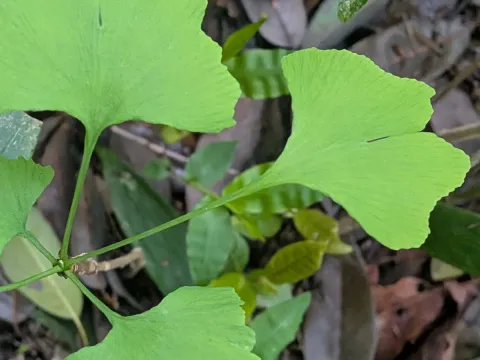
Ginkgo
Ginkgo L.
Ginkgo can be propagated through seeds or vegetative methods, with vegetative propagation being preferred for maintaining the specific traits of the desired cultivars.
What the section contains

Ginkgo
Seeds require a stratification process lasting 2 to 3 months at temperatures between 1 and 5 degrees Celsius to break dormancy and ensure high germination rates in the spring.
For vegetative propagation, semi-hardwood cuttings are taken during mid-summer and rooted in a porous substrate under controlled misting systems to prevent dehydration.
Seedlings should be kept in nursery conditions for at least two years before being transplanted into their permanent agricultural sites to ensure robust root system development.
Proper spacing is crucial in commercial plantations to facilitate sufficient airflow, reduce humidity-related diseases, and allow for efficient mechanical harvesting of the foliage.
Ginkgo biloba is a unique species in the Ginkgoaceae family, known for its extreme tolerance to environmental pollutants and its evolutionary resilience.
The plant thrives in deep, well-draining soils with a neutral pH, though it is adaptable to various soil textures provided they are not waterlogged or prone to compaction.
Full sunlight is preferred for optimal growth rates, but the species is remarkably flexible and can tolerate partial shade during its initial stages of development.
Watering requirements are moderate; however, regular irrigation is necessary during the first few growing seasons to establish deep roots and withstand seasonal droughts.
Ginkgo demonstrates excellent cold hardiness once established, although young saplings may require mulch or protective covering in regions experiencing harsh winter frosts.
Ginkgo possesses a high degree of natural immunity to most pests and diseases, largely due to the presence of specific phytochemicals that act as biological deterrents.
The most significant threats to the plantation are related to water management; poor soil aeration can lead to root rot caused by soil-borne pathogens like Phytophthora.
In rare instances of leaf spotting, appropriate copper-based fungicides may be applied, though prevention through proper orchard hygiene usually proves sufficient.
Pest management is rarely necessary, but monitoring for minor infestations of aphids or leaf-feeding beetles during late spring can help maintain overall plant vigor.
The overall low susceptibility of the tree to biological threats makes it an ideal candidate for low-input or organic farming operations focused on pharmaceutical production.
The primary agricultural objective of Ginkgo cultivation is the harvesting of foliage, which is widely processed for use in dietary supplements and pharmacological research.
Leaves should be harvested during late summer, precisely when they reach maturity and prior to the initiation of the natural autumnal color change to ensure peak flavonoid levels.
Harvesting is performed by carefully stripping or mechanically clipping leaves from the branches, ensuring that apical and lateral buds remain undamaged for the following season.
Immediate post-harvest processing involves drying the foliage in shaded, well-ventilated drying racks at temperatures maintained strictly below 45 degrees Celsius.
Once dried, the leaves are stored in moisture-proof containers to prevent the degradation of active chemical compounds, thereby ensuring high commercial value for the final product.