
Ginkgo
Ginkgo biloba L.
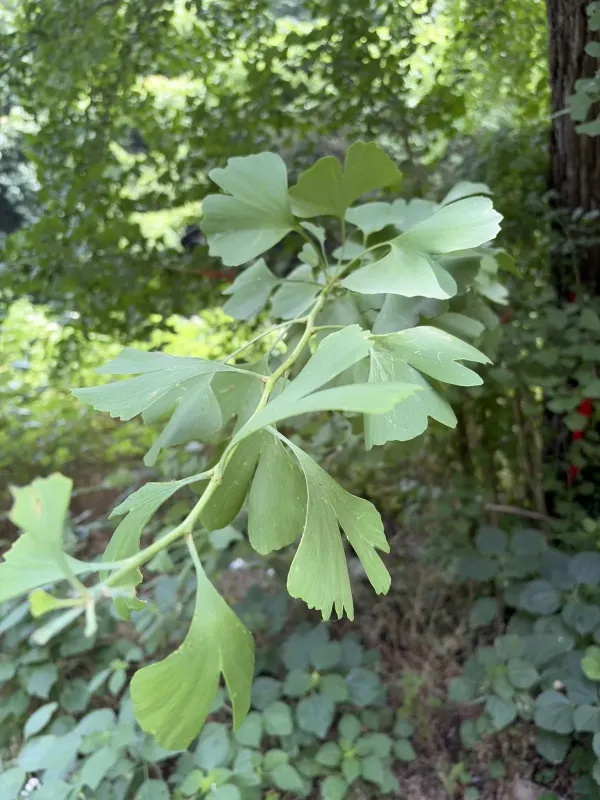
Description
Sowing dates
Propagating Ginkgo biloba is typically achieved through seeds or stem cuttings. Seeds require a period of cold stratification for 2–3 months to break dormancy, as they possess a thick, impermeable seed coat that inhibits germination.
Sowing in open fields or nurseries should take place in early spring after the risk of severe frost has passed. Seeds should be planted at a depth of 3–5 centimeters in well-draining soil to ensure optimal moisture contact and proper development.
For vegetative propagation, semi-hardwood cuttings are taken during the mid-summer months. These cuttings should be planted in a loose, aerated medium under mist or plastic cover to maintain high humidity levels, which is crucial for successful rooting.
Young seedlings are highly sensitive to intense direct sunlight in their first two years and require partial shade. Once they have established a robust root system, usually after 2–3 years, they can be transplanted to their final production site.
As a member of the Ginkgoaceae family, this relic species displays remarkable adaptability. It is a slow-growing deciduous tree that requires patience but offers significant longevity and resilience once established in the field.
Growing requirements
The ideal soil for Ginkgo is fertile, well-draining loam with a neutral to slightly acidic pH level. Waterlogged conditions must be strictly avoided, as the root system is highly susceptible to rot when exposed to stagnant water.
Ginkgo biloba thrives in full sun but can tolerate light shade during its juvenile phase. It is famous for its resistance to air pollution and urban environments, making it a viable crop for suburban areas or near industrial perimeters.
Optimal temperatures for active growth range from 18 to 25 degrees Celsius. While mature trees are exceptionally cold-hardy, younger saplings should be protected with mulch to insulate the root zone during their first winter.
Regular irrigation is essential during the establishment phase. As the tree matures, its deep taproot makes it increasingly drought-tolerant, though supplemental watering during extreme summer heat will significantly improve foliage yield.
Application of balanced NPK fertilizers in spring and summer supports vigorous growth. Micronutrient supplementation can also be beneficial in poor soils to ensure the production of high-quality medicinal compounds within the leaves.
Yield
The primary economic output of Ginkgo farming is its foliage, which is harvested for the pharmaceutical industry. Yields are maximized by adopting high-density planting schemes and regular pruning to maintain a bushy form.
By training the trees into low, hedge-like structures, farmers can facilitate mechanical harvesting. This method is highly efficient, reducing labor costs and ensuring a consistent supply of raw material for extraction facilities.
A productive harvest can be expected once the trees reach 5 to 7 years of age. Under optimal management, a commercial plantation can produce several tons of dried leaves per hectare annually, depending on tree density.
Quality control is paramount. The timing of the harvest is critical, as the concentration of active flavonoids and terpenoids peaks just before the leaves begin to turn yellow in autumn.
Long-term profitability is guaranteed by the tree's incredible lifespan. A well-maintained Ginkgo orchard remains productive for many decades, requiring minimal replanting compared to other traditional annual field crops.
Main diseases and pests
Ginkgo biloba is naturally resistant to most common plant diseases and pests due to its unique chemical composition. It contains various secondary metabolites that act as natural repellents against many insect species.
In high-humidity climates or overcrowded plantings, fungal issues like powdery mildew or anthracnose may occasionally occur. Improving air circulation through regular thinning and pruning is the best preventive measure.
Root rot is the most common threat, usually triggered by poor drainage or overwatering. Maintaining a strict irrigation schedule and monitoring soil moisture levels can effectively mitigate this risk.
In rare cases, aphids or spider mites may attack young or stressed plants. Monitoring should be done regularly, and if an infestation is found, soft soap solutions or biological control methods are preferred over harsh chemicals.
Sanitation practices, such as the removal of dead or decaying branches, are vital to maintaining orchard health. This helps to reduce the presence of spores and ensures that the tree's energy is directed toward healthy foliage production.
Harvesting
Harvesting is performed when the leaves reach their full size and peak medicinal potency. This generally occurs in late summer or early autumn, just before the natural senescence process begins.
Manual harvesting involves picking or cutting the leaf-bearing shoots, while mechanized systems use tractor-mounted harvesters. Care must be taken to avoid damaging the main branches to ensure future growth.
Post-harvest processing requires immediate drying to stabilize the phytochemicals. Temperatures in the drying chamber must be kept low, preferably between 40 and 45 degrees Celsius, to prevent the breakdown of heat-sensitive compounds.
Storage of the dried material should be in a cool, dry, and well-ventilated area, away from direct sunlight. High-quality packaging prevents the absorption of moisture and maintains the integrity of the active ingredients.
Standardized testing of the final dried leaf product for flavonoid content ensures compliance with industry requirements. Efficient processing from field to storage is the key to maintaining the high market value of the crop.