
Bird's eye gilia
Gilia tricolor Benth.
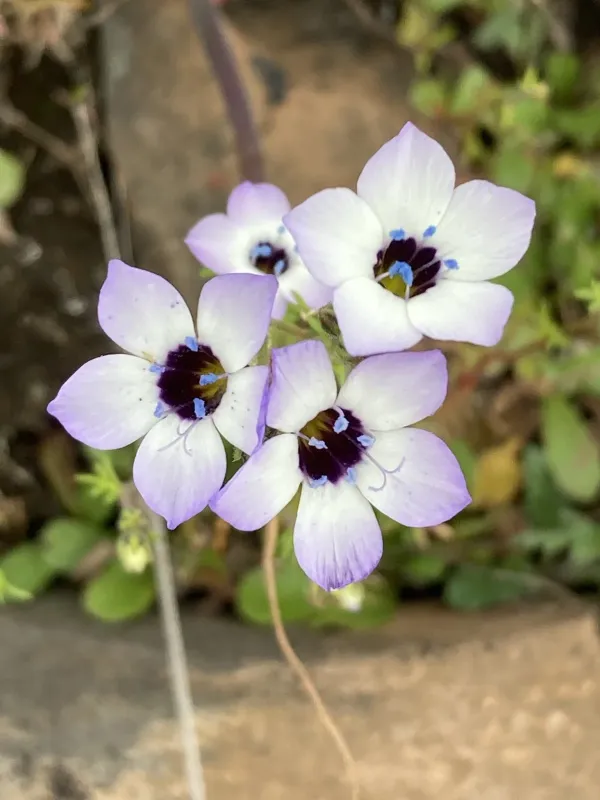
Description
Sowing dates
Gilia tricolor seeds are typically sown directly into the garden soil in early spring once the risk of severe frost has passed.
Because the seeds are quite small, they should be lightly pressed into the surface of the soil rather than buried deeply to ensure proper germination.
For indoor starts, sow seeds in biodegradable peat pots during late winter to avoid root disturbance when transplanting outdoors later in the season.
Consistent moisture is vital during the germination phase, which usually lasts from one to two weeks depending on the soil temperature.
Thinning the seedlings is essential to provide adequate space for air circulation, preventing overcrowding and related fungal infections.
Growing requirements
Belonging to the Polemoniaceae family, this species thrives in full sun, which is necessary to maintain the intensity of its distinct three-colored petals.
The plant requires well-draining, sandy, or gritty soil conditions, as it is highly susceptible to root rot in heavy or waterlogged environments.
Gilia tricolor is known for its tolerance to relatively poor soils and does not require frequent fertilization to produce abundant blooms.
Moderate watering during dry spells is recommended, but one must ensure the soil dries out slightly between irrigation events to maintain health.
The site selection should prioritize locations with excellent natural drainage and good exposure to morning sunlight for optimal growth results.
Main diseases and pests
Powdery mildew is a common issue when plants are grown in humid, stagnant air or crowded conditions, manifesting as a white fungal coating on leaves.
Aphids can pose a challenge, particularly in the spring, congregating on the succulent stems and developing buds, which stunts the plant's growth.
Spider mites may infest the foliage during hot and dry summer weather, resulting in mottled or yellowed leaves that lose their aesthetic value.
Root rot is the most significant threat to this crop, caused almost exclusively by improper irrigation practices and poor drainage in the planting bed.
- Regular monitoring for signs of infestation.
- Ensuring proper spacing for airflow between individual plants.
- Removing and destroying heavily infected plant debris.
Harvesting
Harvesting seeds requires waiting until the seed capsules turn brown and dry, usually in late summer, before carefully extracting them for future use.
For floral arrangements, harvest stems when the flowers are just beginning to open, ensuring the cut ends are placed in clean water immediately.