
Globe Gilia
Gilia capitata Sims
Description
Sowing dates
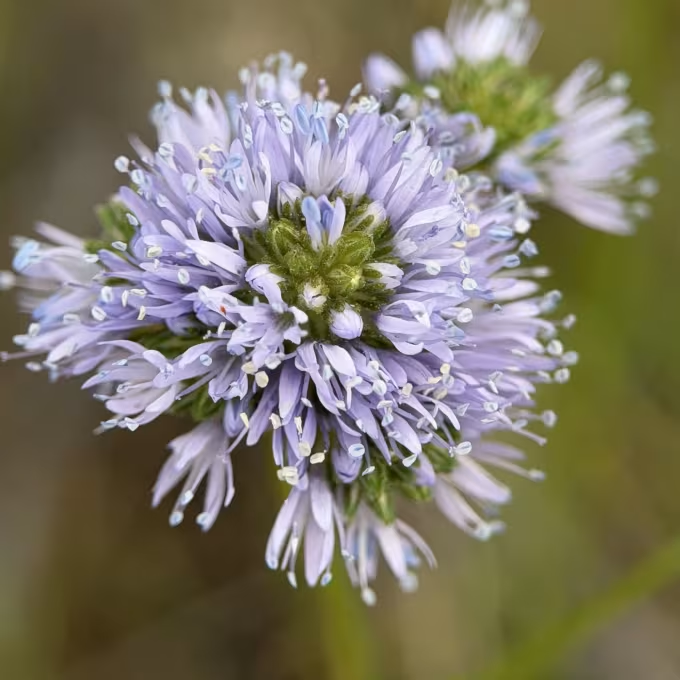
Globe Gilia, scientifically known as Gilia capitata, belongs to the Polemoniaceae family and is highly valued in gardening for its globe-shaped, azure blue flower heads.
The seeds should be sown directly into the soil in early spring once the risk of frost has passed, as the plant prefers cooler spring temperatures but is sensitive to hard freezes.
For earlier flowering, seeds can be started indoors in seed trays, but it is critical to use biodegradable pots, as the plant does not tolerate root disturbance during transplanting.
Sowing depth should be minimal; the seeds require light to germinate effectively, so they should only be lightly pressed into the surface of the growing medium.
Germination typically occurs within two weeks at temperatures between 15°C and 20°C, provided the soil is kept consistently moist but not waterlogged.
Growing requirements
This species thrives in well-drained, sandy, or rocky soils, which mimic its natural habitat; it performs poorly in heavy, clay-rich soils that retain too much moisture.
Full sun is essential for the healthy development of Gilia capitata; shading will lead to weak, leggy stems and reduced flower production throughout the season.
The plant is remarkably drought-tolerant once established, requiring only minimal supplemental irrigation during extended periods of dry weather.
Soil fertility should be kept relatively low; excessive fertilization, particularly with high nitrogen content, will result in lush foliage but very few flowers.
Proper air circulation is a key requirement to ensure that the dense clusters of flowers remain healthy and free from fungal infections during humid summer days.
Main diseases and pests
Root rot is the most significant threat to Globe Gilia, usually resulting from poor soil drainage or excessive irrigation during the active growing phase.
Powdery mildew may occur if the plants are spaced too closely together or if they are grown in areas with poor airflow and high night-time humidity levels.
Aphids can target the tender flower buds and soft stems, causing stunted growth; regular inspection and the use of insecticidal soap are recommended treatments.
Slugs and snails can consume young seedlings overnight, making it necessary to protect small plants with physical barriers or organic pest control methods.
To mitigate disease risks, always avoid overhead watering late in the day, as moisture lingering on the foliage encourages the development of pathogens.
Harvesting
Harvesting for floral arrangements should take place when the florets are just starting to open; this stage ensures the best longevity for the cut flowers.
For seed collection, wait until the flower heads turn brown and the capsules begin to dry out naturally on the stalk before cutting them to prevent premature shattering.
Globe Gilia is an excellent choice for drying; harvesting at the peak of bloom and hanging the stems upside down in a dark, airy place yields beautiful results.
Deadheading spent flowers is a recommended practice to extend the blooming season, as it redirects the plant's energy from seed production back to new buds.
The plant serves as a vital resource for local pollinators, so leaving some flower heads to go to seed can help support the ecological health of the garden area.