
Common hyacinth
Hyacinthus orientalis L.
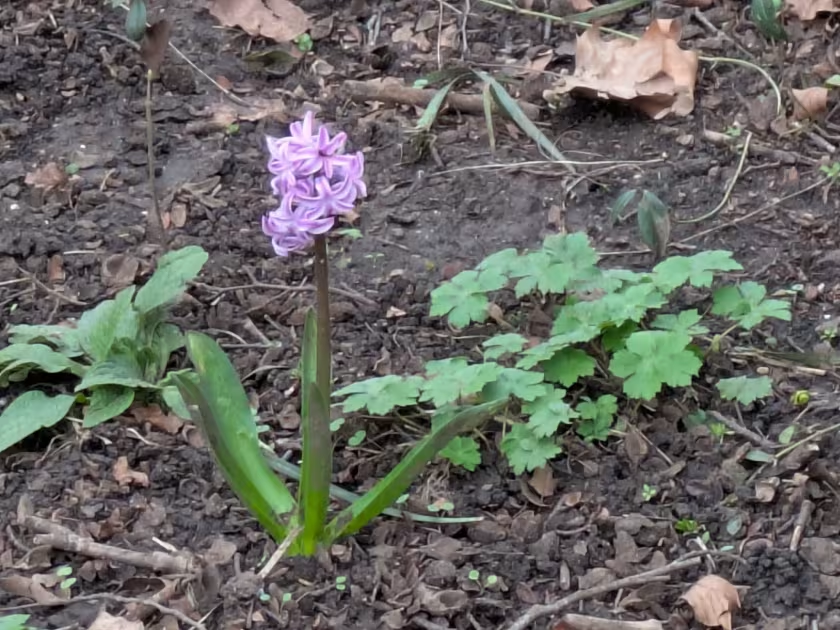
Description
Sowing dates
The Common hyacinth (Hyacinthus orientalis) is a bulbous perennial belonging to the Asparagaceae family. Propagation typically occurs by planting dormant bulbs in the soil during autumn, usually 4 to 6 weeks before the ground freezes, allowing the root system to establish successfully.
Planting depth should generally be three times the height of the bulb, ensuring it is positioned firmly in the soil to prevent frost heaving. Proper spacing of 15–20 cm between bulbs is crucial to ensure adequate airflow and prevent the transmission of fungal pathogens.
In commercial agriculture, planting schedules are meticulously managed to ensure optimal development. Proper temperature conditions during the initial rooting phase are essential, with soil temperatures ideally ranging between +6 °C and +10 °C.
After planting, it is recommended to apply a layer of mulch. This organic cover helps maintain consistent soil moisture levels and provides critical thermal protection during harsh winter months, reducing the risk of freeze-thaw damage.
Strategic planting ensures that the bulbs receive enough energy during the dormant stage to produce robust inflorescences during the following spring. Uniformity in planting depth and spacing is vital for an even and high-quality crop yield.
Growing requirements
Originating from the Mediterranean region and parts of Western Asia, the Common hyacinth thrives in environments with high light intensity and well-drained, fertile soils. A neutral pH balance is preferred for maximum nutrient absorption.
Drainage is the most critical factor in soil management for this species. Waterlogged soil quickly leads to the rotting of the bulb's basal plate. In heavier soils, incorporating coarse sand or gravel is necessary to facilitate water movement away from the bulb.
Nutrient requirements are significant during the active growing phase. A balanced fertilizer containing nitrogen, phosphorus, and potassium should be applied at the emergence of the first leaves to support vegetative growth and flower development.
Temperature fluctuations are a natural requirement for this plant. A period of sustained cooling is essential for the physiological processes that lead to the formation of the flower spike, making it a critical aspect of both garden and greenhouse cultivation.
Adequate sunlight exposure is required for the plant to perform photosynthesis effectively after flowering. This period allows the bulb to store energy for the next growing season, directly impacting the quality of the subsequent bloom.
Yield
Yield in the context of hyacinth cultivation refers to the proliferation and quality of bulb offsets, also known as bulblets. A healthy mature bulb can produce several offsets per season, provided the growing conditions remain optimal.
Professional growers often use techniques such as "scoring" or "scooping" the bulb's basal plate after harvesting. These deliberate injuries stimulate the bulb to produce a larger quantity of offsets, effectively increasing the vegetative multiplication rate.
The value of the yield is determined by the size, firmness, and health of the harvested bulbs. Large, clean bulbs are highly sought after in the floral industry for their ability to produce massive, high-density racemes.
Post-flowering care is directly linked to yield stability. Allowing the foliage to wither naturally ensures that nutrients are fully translocated back into the bulb, which enhances the overall weight and biological potential of the harvest.
Consistent monitoring and culling of weak or unhealthy bulbs from the harvest batch are necessary to maintain the genetic and physical quality of the stock over multiple generations of cultivation.
Main diseases and pests
Yellow bacterial rot is one of the most severe threats to hyacinths, causing tissue liquefaction and a distinct, foul odor. This condition is often exacerbated by poor soil drainage and physical injuries to the bulb during the harvesting process.
Penicillium rot, characterized by a grey-green mold on the scales, poses a significant risk during storage. Maintaining low humidity and good ventilation in storage areas is the primary method of preventing this fungal issue.
Pests such as the stem and bulb nematode can cause significant damage, leading to distorted leaves and stunted flower spikes. Infected plants must be isolated and removed from the plot immediately to prevent the spread of the parasite.
Integrated pest management, including the use of fungicides and systemic insecticides, is frequently employed to mitigate these threats. Regular inspection of both the growing field and the storage facility is crucial for a successful crop.
- Bacterial soft rot
- Penicillium mold
- Stem and bulb nematode
- Bulb mites
Harvesting
Harvesting should only begin after the foliage has turned completely yellow or brown, indicating that the plant has successfully moved its energy stores into the bulb for the upcoming period of dormancy.
Careful excavation is required to avoid cutting or bruising the bulb tissues. After digging, the bulbs are cleaned of soil and old roots, then spread out in a shaded, well-ventilated area to undergo a curing process.
The curing phase lasts several weeks and is vital for drying the outer scales and hardening the surface, which provides a natural barrier against pathogens. During this time, the bulbs should be protected from direct sunlight and excessive humidity.
Following curing, bulbs are graded by size and inspected for any signs of decay or damage. Proper sorting ensures that only the highest quality bulbs are prepared for the next planting season or commercial distribution.
Long-term storage requires cool, dry conditions with constant air circulation. By managing the temperature and humidity, growers can maintain bulb vitality throughout the winter, ensuring a successful transition into the spring cycle.