
Gesneria ventricosa
Gesneria ventricosa
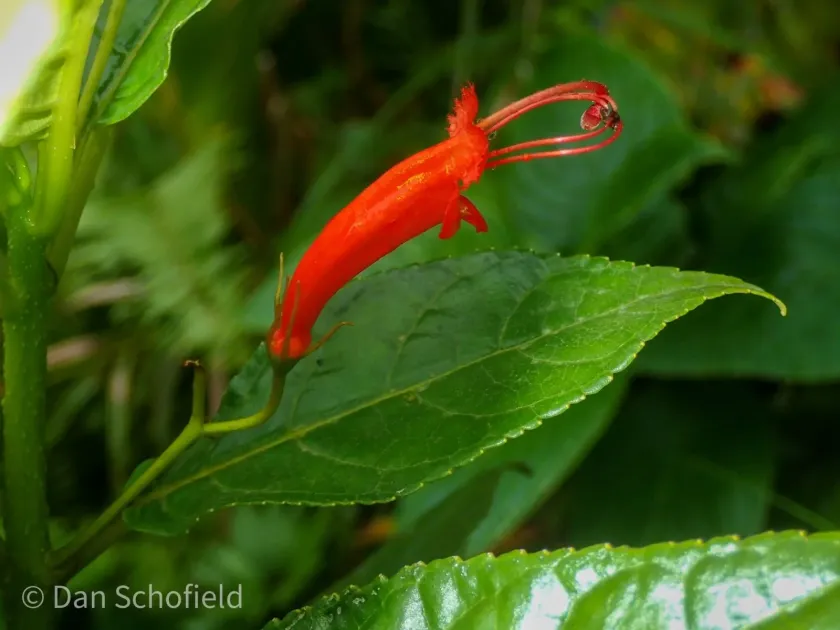
Description
Growing requirements
Gesneria ventricosa is a perennial herbaceous plant belonging to the Gesneriaceae family. Originating from the Caribbean region, particularly the West Indies, it thrives in tropical environments, often growing in rocky outcrops or epiphytically in humid forests.
The plant is distinguished by its unique ventricose (swollen) tubular flowers, which typically display vibrant red or orange hues. Its foliage consists of textured, elongated leaves that add to its overall ornamental value in professional collections.
Climate requirements for this species are specific: it prefers stable, warm temperatures between 20°C and 25°C. Exposure to sudden temperature drops or harsh drafts should be strictly avoided to prevent physiological shock.
Soil conditions are critical for its survival. A light, airy, and well-draining substrate is mandatory. A mixture comprising peat moss, leaf mold, and perlite helps maintain an acidic pH level and provides the necessary aeration for root health.
High relative humidity is essential for the optimal growth of Gesneria ventricosa. In controlled environments, maintaining a humidity level of at least 60% ensures that the plant avoids leaf desiccation and maintains its vibrant flowering cycle.
Main diseases and pests
The most common threats to this species include root rot and stem decay, primarily caused by waterlogged soil conditions. Over-watering is the leading cause of mortality in greenhouse settings, making drainage control a top priority.
Pests such as spider mites and mealybugs frequently infest the plant, especially in low-humidity conditions. These pests can rapidly sap the plant's vitality and cause permanent damage to the foliage and flower buds.
Integrated pest management is recommended to keep the plant healthy. Routine cleaning of the leaves and maintaining optimal environmental parameters are the first lines of defense against both insects and fungal outbreaks.
In case of severe infestation, targeted applications of systemic insecticides or miticides are required. Always verify the compatibility of chemical treatments with the specific sensitivity of the Gesneriaceae family members.
Regular monitoring of the rhizosphere health is advised. If the substrate appears compacted or stagnant, it should be carefully replaced to prevent the development of anaerobic conditions that favor harmful soil pathogens.