
Gesneria cubensis
Gesneria cubensis
Description
Growing requirements
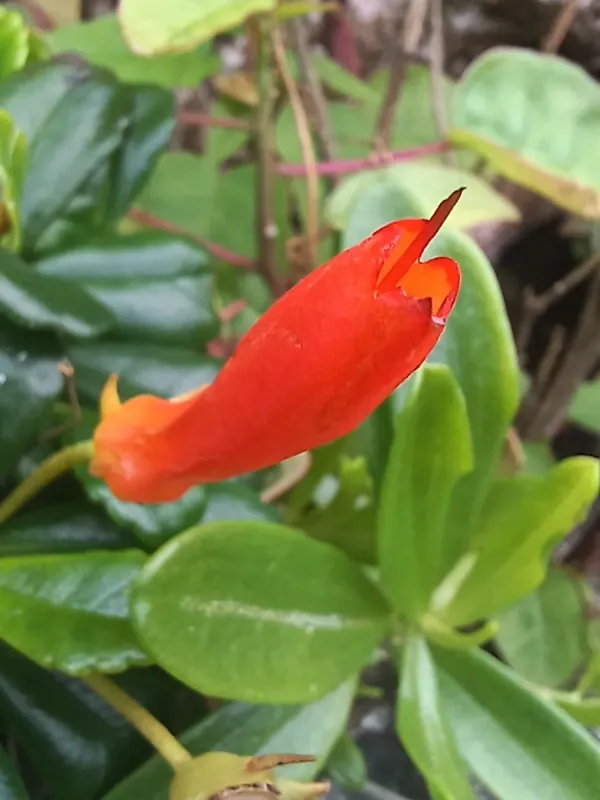
Gesneria cubensis is a distinguished member of the Gesneriaceae family, native to the tropical regions of Cuba. This species is valued for its unique foliage and distinct growth habit, which makes it a notable specimen within its genus in both botanical collections and horticultural production.
Morphologically, the plant typically exhibits a woody or semi-woody base with dense, textured leaves. It is adapted to the high-humidity environments of the Caribbean rainforests, where it often grows as an epiphyte or lithophyte in crevices filled with organic matter and decaying debris.
To successfully cultivate this species, growers must replicate its native tropical conditions. Temperatures should be maintained consistently between 20°C and 25°C. Any exposure to cold drafts or temperatures below 15°C can cause significant stress, leading to leaf drop and stunted growth.
Soil requirements are strict, necessitating a well-draining, airy medium. A mixture of long-fibered sphagnum moss, perlite, and high-quality peat is highly recommended. The substrate must remain moist but never waterlogged to ensure the health of the delicate root system.
Light intensity should be bright and filtered. While the plant appreciates morning sun, intense afternoon exposure can cause severe scorching. In greenhouse settings, the use of 30–50% shade cloth is standard practice to maintain optimal leaf coloration and plant vigor.
Main diseases and pests
The most severe threats to Gesneria cubensis are fungal infections caused by Pythium or Rhizoctonia. These occur primarily due to poor drainage and over-saturation of the potting mix, causing rapid decay of the root collar and lower stems.
Mealybugs are the most common insect pest. They tend to hide in the axils of leaves and along the undersides of foliage, making detection difficult until a significant infestation has occurred. Manual removal and systemic insecticides are typically employed for control.
Spider mites pose a significant risk in low-humidity environments. Their feeding activity manifests as fine webbing and stippling on the leaves, which can lead to permanent damage and eventual defoliation if left untreated.
Thrips can also impact the aesthetics of the foliage by causing distorted growth and silvering spots. Integrated pest management, involving the use of blue sticky traps and biological controls, is highly recommended to keep populations below the economic injury level.
Sanitation is paramount in controlling these threats. Sterilizing pots between crops and ensuring good airflow around the plants can significantly reduce the incidence of both fungal and insect-related issues, promoting a healthier crop overall.