
Genista tournefortii
Genista tournefortii
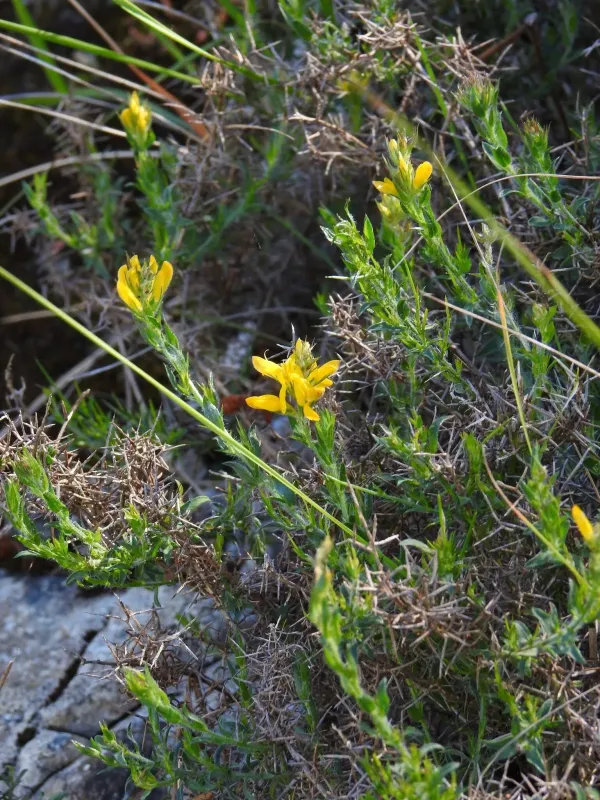
Description
Growing requirements
Genista tournefortii is a perennial shrub belonging to the Fabaceae family, native to the Mediterranean basin where it thrives in arid environments.
The plant is specifically adapted to poor, rocky, and sandy soils, demonstrating high resistance to drought due to its extensive and deep root architecture.
Exposure to full sunlight is essential for this species to ensure optimal development, healthy leaf production, and abundant yellow flowering during the season.
Effective soil drainage is a critical requirement, as Genista tournefortii is highly susceptible to root damage when subjected to waterlogged conditions.
The species is generally low-maintenance, requiring minimal nitrogen fertilization because it forms a symbiotic relationship with nitrogen-fixing soil bacteria.
Yield
The primary agricultural utility of this plant lies in soil stabilization projects, where it acts as a bio-engineered solution for preventing erosion on steep slopes.
As a notable honey plant, Genista tournefortii provides a valuable source of early-season nectar and pollen for pollinators in Mediterranean ecosystems.
In terms of ecological yield, the plant contributes to soil enrichment, gradually improving the fertility of nutrient-deficient lands through natural nitrogen fixation.
Commercial potential for this crop also extends to ornamental gardening, where its high survival rate in harsh conditions makes it a preferred choice for landscaping.
While direct forage use is limited, the biomass produced can be managed for soil structure improvement in organic farming systems targeting degraded soils.
Main diseases and pests
Fungal infections, primarily root rot and powdery mildew, represent the most significant threat to the health of Genista tournefortii in poorly ventilated areas.
Pests such as aphids and spider mites can colonize the foliage during prolonged hot and dry spells, necessitating careful monitoring to prevent outbreaks.
Poorly drained heavy clay soils are a major environmental threat that can lead to rapid pathogen buildup and eventual death of the entire plant stand.
Effective management includes regular pruning of dead or diseased branches to promote air circulation and limit the habitat for common horticultural pests.
Maintaining proper plant density is essential to minimize stress and prevent the competitive pressure that could leave the shrubs vulnerable to infestation.