
Genista spachiana
Genista spachiana
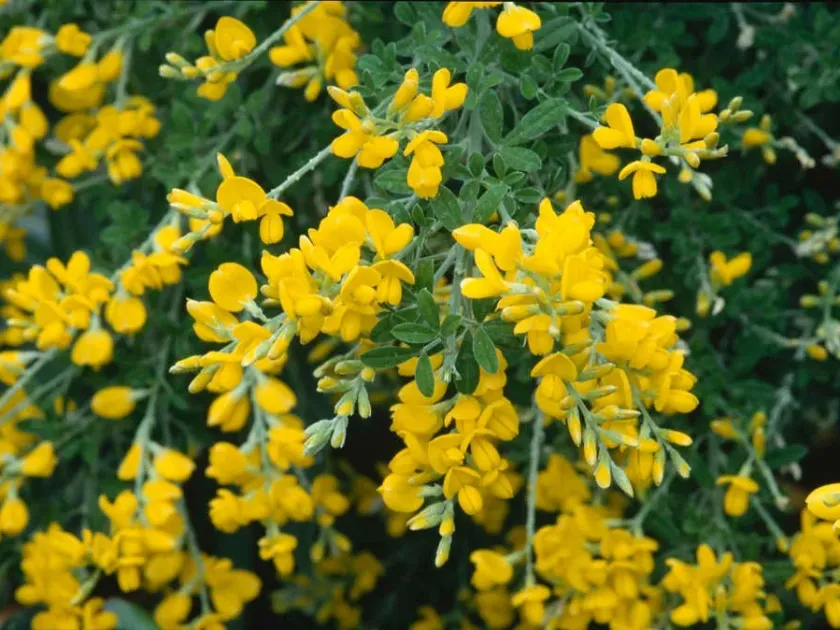
Description
Growing requirements
Genista spachiana, commonly known as a type of sweet broom, belongs to the Fabaceae family. This shrub is highly valued in horticulture for its dense growth and bright, fragrant yellow flowers that appear during the spring and early summer seasons.
The plant originates from Mediterranean regions, which dictates its preference for well-drained, sandy or loamy soils. It thrives in environments where sunlight is abundant, as it has evolved to survive in naturally dry and warm habitats.
A critical aspect of its cultivation is ensuring proper drainage. The roots are highly susceptible to rot if left in saturated soil; therefore, soil aeration is fundamental to the long-term health and vigor of the plant, especially in container gardening.
Climatically, Genista spachiana requires protection from harsh frost and cold winds. While it is relatively resilient, extreme temperature drops can cause dieback of the tender young branches, necessitating a sheltered planting position.
Cultural maintenance involves light pruning after the flowering phase to maintain a desirable shape and promote future blooming. Nitrogen-fixing properties typical of the legume family mean that the plant can survive in nutrient-poor soils, provided they are structurally sound.
Main diseases and pests
Common pests associated with Genista spachiana include aphids and spider mites, which tend to infest the soft, growing tips of the branches. Regular inspection is required to detect these populations before they cause significant aesthetic or structural damage.
Fungal diseases like powdery mildew are frequently linked to poor air circulation or excessive humidity around the foliage. Ensuring that the shrub is not crowded by other plants is a key management strategy to minimize the need for chemical intervention.
Root rot is the most serious threat, usually resulting from over-irrigation or soil compaction. Preventing this condition is significantly easier than curing it, requiring strict adherence to a watering schedule based on moisture levels in the root zone.
Integrated pest management, including the use of horticultural oils or soaps, is recommended for controlling common infestations. These methods are effective and generally safe for the environment when used as part of a routine maintenance program.
Finally, maintaining plant vigor through appropriate nutrient management and periodic sanitary cleaning ensures that Genista spachiana remains resistant to secondary infections and opportunistic pests that plague stressed or weakened specimens.