
Montpellier broom
Genista monspessulana
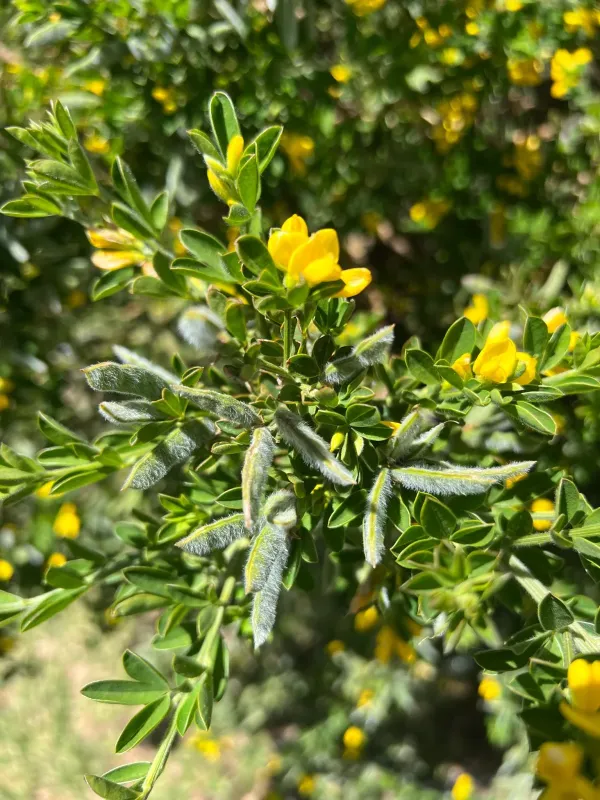
Description
Growing requirements
Montpellier broom, or Genista monspessulana, is a perennial evergreen shrub belonging to the Fabaceae family. It originates from the Mediterranean basin and is well-adapted to Mediterranean-type climates.
The plant thrives in well-drained, sandy or loamy soils. Its ability to form symbiotic relationships with nitrogen-fixing bacteria allows it to flourish in nutrient-poor substrates, making it a resilient species.
Key cultivation requirements include full sun exposure and excellent soil drainage. Montpellier broom does not tolerate heavy, waterlogged clay soils, which can lead to significant root health issues.
Regarding climate, the plant prefers temperate conditions and can struggle in extreme frost. Its agricultural value lies in soil stabilization, erosion control, and its role as an ornamental and nectar-rich plant.
Producers should ensure wide spacing between plants to facilitate air circulation, which is critical for maintaining plant health and preventing common fungal diseases.
Main diseases and pests
Fungal diseases, specifically powdery mildew and leaf spots, are the primary health threats, usually occurring in humid conditions with limited airflow around the shrub foliage.
Aphids and various leaf-feeding insects are common pests that target young shoots. Severe infestations can retard growth and reduce the overall vigor of the plant during the growing season.
Root rot is a critical concern caused by overwatering or poor drainage systems; this is often irreversible, necessitating strict moisture management protocols.
In many regions where it has been introduced, this species is considered an invasive weed that outcompetes native vegetation, requiring active management and containment strategies.
Integrated pest management, including pruning, early detection, and the use of targeted biological controls, is highly recommended to sustain healthy crops of Genista monspessulana.