
Genista legionensis
Genista legionensis
Description
Growing requirements
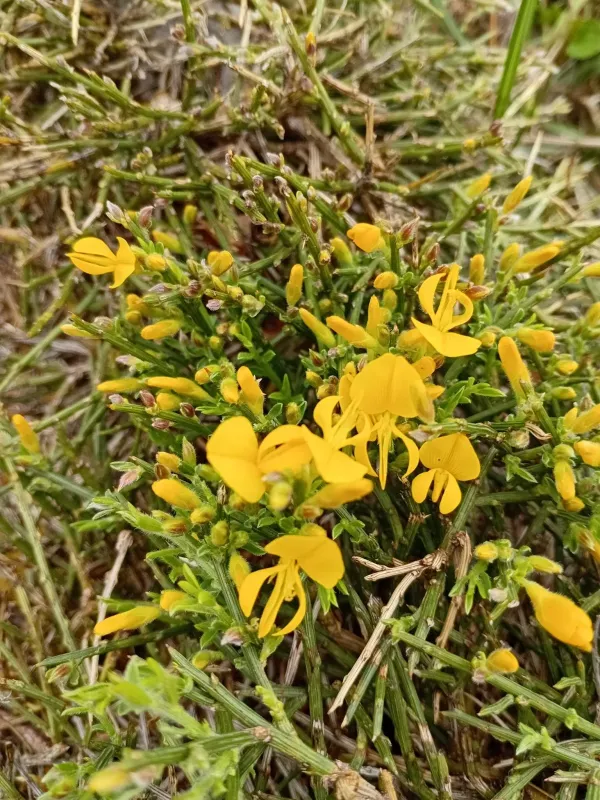
Genista legionensis is a perennial subshrub belonging to the Fabaceae family, native to the mountainous regions of northern Spain. This plant is recognized for its robust nature and adaptability to harsh environmental conditions, making it an excellent choice for rock gardens and xeric landscapes.
Cultivation of this species requires a location with full sun exposure to ensure healthy foliage and abundant flowering. It thrives in well-drained, nutrient-poor, and stony soils, as it has evolved to survive in habitats with limited organic matter and significant drainage capacity.
Regarding soil chemistry, Genista legionensis prefers neutral to slightly alkaline pH levels. It is imperative to avoid waterlogged conditions, as the root system is highly susceptible to hypoxia and subsequent rot if subjected to excess moisture for extended periods.
The climate requirements include a preference for temperate zones with distinct seasonal cycles. Once established, the shrub exhibits excellent drought tolerance, allowing it to persist through periods of limited rainfall that would typically hinder more sensitive botanical species.
Basic maintenance involves annual pruning immediately after the flowering period. This horticultural practice helps to maintain a compact, dense shape and encourages the development of fresh, healthy growth for the following season, preventing the shrub from becoming woody and sparse.
Main diseases and pests
The primary threats to Genista legionensis are fungal pathogens, specifically those causing crown rot or root rot. These issues are almost exclusively associated with improper site selection where soil drainage is inadequate or humidity levels remain consistently high.
Insect pests, such as aphids and spider mites, are common challenges for this species. These pests typically congregate on the tender tips of new growth, leading to stunted development and potential deformation of the foliage if left unmanaged during the peak growth season.
Management of these threats relies heavily on preventative cultural practices rather than reactive chemical treatments. Maintaining appropriate spacing between plants is crucial to ensure optimal airflow and reduce the micro-climatic humidity that favors fungal spore germination.
When chemical intervention is necessary, the use of selective insecticides or fungicides is recommended, keeping in mind the plant's sensitivity to synthetic chemicals. Application should always avoid peak flowering times to prevent unintended harm to local pollinator populations.
Regular inspection of the plant's base and leaf underside remains the most effective strategy for early detection of issues. By identifying symptoms early, growers can perform targeted pruning or localized treatments, effectively preserving the plant's structural integrity and overall vigor.