
Gaya occidentalis
Gaya occidentalis
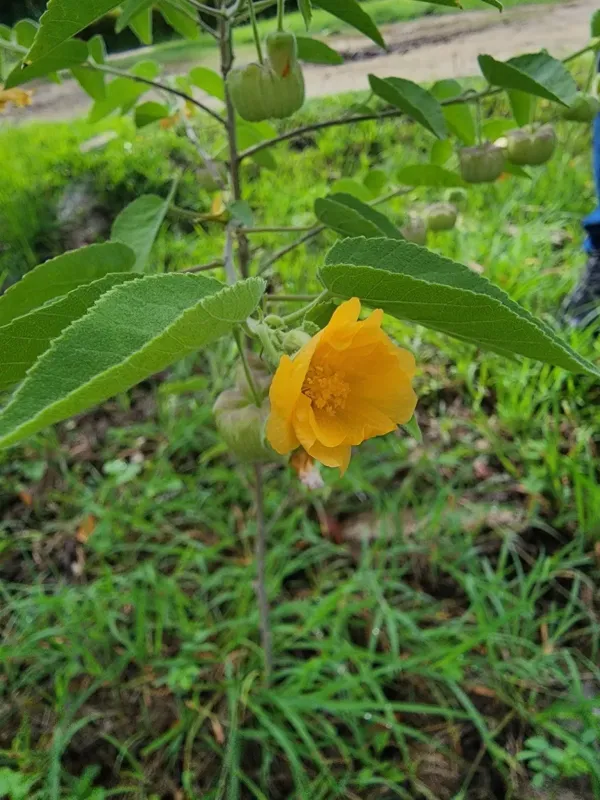
Description
Sowing dates
Gaya occidentalis is a member of the Malvaceae family, a group of plants known for their specific growth requirements and unique botanical characteristics.
Sowing should take place in spring once the soil temperature is consistently above 15 degrees Celsius to ensure proper germination and rapid initial growth.
Before planting, it is recommended to prepare the seedbed thoroughly by removing weeds and ensuring a fine tilth that allows for optimal seed-to-soil contact.
Seed depth should be maintained at a consistent level, typically around 1-2 centimeters, depending on the moisture content and texture of the soil profile.
Proper spacing is crucial to prevent overcrowding, which can lead to increased humidity levels around the foliage and potential susceptibility to various pathogens.
Growing requirements
The crop thrives in well-drained, fertile soils that provide a stable nutrient supply, ideally with a neutral pH level for optimal mineral absorption.
Sunlight exposure is a primary requirement; the plant performs best in locations that receive full sun for the majority of the day to support photosynthesis.
Water management is essential, as while the plant can withstand short periods of dry weather, consistent soil moisture improves both vegetative and reproductive yield.
Regular applications of organic matter or balanced mineral fertilizers can significantly enhance the plant's structural integrity and overall vigor throughout the season.
Site selection should prioritize areas with good air circulation to reduce the risks associated with stagnant air and high humidity near the plant canopy.
Main diseases and pests
Root rot remains a major threat to this species, particularly in poorly drained soils where water accumulation creates anaerobic conditions for the root system.
Fungal infections such as powdery mildew can affect the leaves, especially when the plants are grown in areas with poor airflow and high nocturnal humidity.
Insects like spider mites or aphids are common pests that feed on plant sap, potentially weakening the plant and facilitating the transmission of viral diseases.
Integrated pest management strategies, such as the use of natural predators and timely monitoring, are effective methods for maintaining crop health and productivity.
Maintaining cleanliness in the growing area by removing infected plant debris helps break the lifecycle of many pathogens and common garden pests.