
Gaussia attenuata
Gaussia attenuata
Description
Growing requirements
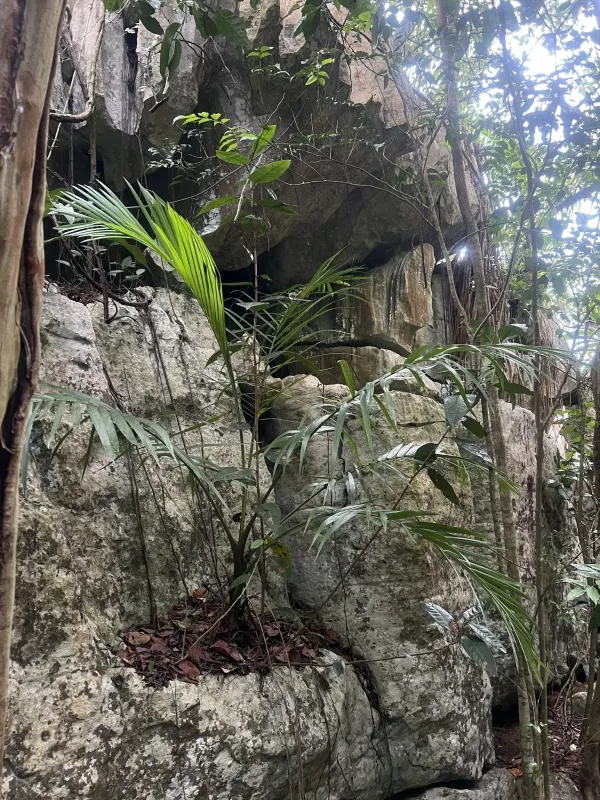
Gaussia attenuata is a distinct member of the Arecaceae family, recognized for its slender, bottleneck-shaped trunk. Originating from the limestone cliffs and steep slopes of Cuba, this palm has adapted to specialized rocky environments that require specific care in a cultivation setting.
Regarding climate, this species is strictly tropical and requires consistent temperatures. It cannot tolerate freezing conditions; thus, in non-tropical regions, it must be kept in greenhouses or conservatories where the temperature remains above 15 degrees Celsius consistently.
Soil requirements are critical for the health of this palm. Since it grows naturally on limestone, it thrives in well-draining, slightly alkaline substrates. Heavy or waterlogged soils are detrimental to its root system, often leading to rapid decline and root rot.
For optimal growth, Gaussia attenuata requires bright, filtered light. While it can handle some exposure, direct mid-day sun in enclosed environments can cause leaf scorching, so light management through shading screens is standard practice in botanical collections.
Irrigation must be carefully balanced. Although it enjoys humidity, the soil should be allowed to dry slightly between waterings. During the growing season, a balanced palm fertilizer applied at half strength helps maintain the vigor of the fronds and supports the development of its characteristic trunk.
Main diseases and pests
In indoor environments, the most common pests are spider mites and mealybugs, which exploit the low air circulation often found in greenhouses. Regular inspection of the leaf axils and crown area is essential for early detection and mitigation of these infestations.
Root diseases, specifically those caused by Phytophthora or Pythium species, represent the most significant threat to the survival of the plant. These are usually managed through rigid watering schedules, high-quality soil aeration, and the application of preventive fungicide treatments.