
Gaura odorata
Gaura odorata
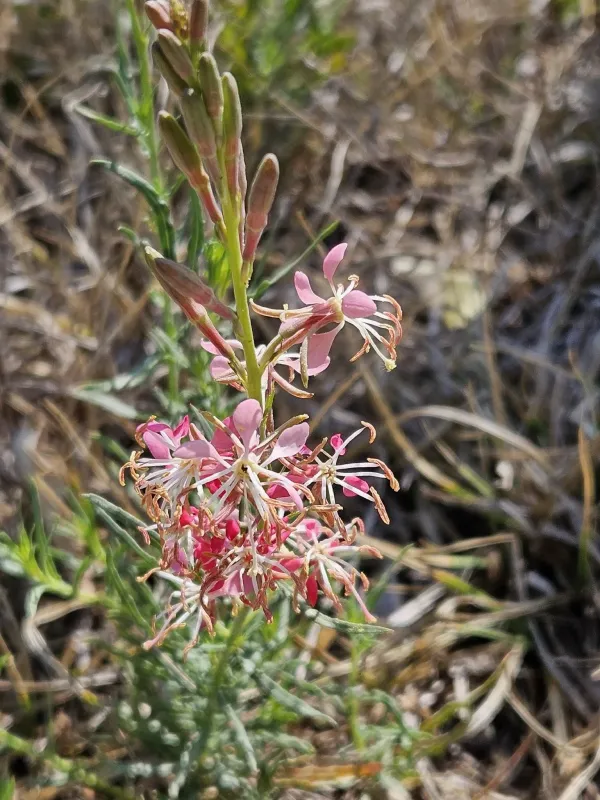
Description
Sowing dates
Gaura odorata seeds are typically sown either directly in the soil or started indoors during late winter. Providing a period of stratification for the seeds often improves germination rates, ensuring a more uniform emergence of seedlings when the temperatures rise.
The optimal time for transplanting seedlings outdoors is after the risk of frost has passed. Gaura establishes quickly when planted in soil that has warmed sufficiently, allowing the root system to adapt to the surrounding environment without thermal stress.
When sowing directly, place seeds at a depth of 0.5 to 1 cm. Maintaining an appropriate spacing of 30–40 cm between plants is essential to provide adequate air circulation, which helps in preventing moisture-related fungal issues during early stages of growth.
As a member of the Onagraceae family, this species thrives when provided with ample light and well-drained conditions. Selecting a site with full sun exposure is critical for promoting vigorous growth and maintaining the plant's structural integrity.
Consistent soil moisture is necessary during the initial establishment period. Regular, light watering helps the seedlings develop a robust root structure, which later contributes to the plant’s characteristic ability to withstand varying environmental conditions.
Growing requirements
Gaura odorata requires light, well-draining soil with a neutral to slightly alkaline pH. Clay-heavy soils that tend to retain excess moisture are detrimental to the root system and should be amended with organic matter or grit to improve permeability.
Once the root system is fully developed, the plant exhibits significant drought tolerance. This makes it an ideal candidate for xeriscaping or areas where supplemental irrigation is limited, as it can thrive on deep, infrequent watering cycles.
Mineral nutrition should be managed carefully to avoid excessive vegetative growth. Over-fertilization, especially with high-nitrogen formulas, can reduce flowering intensity and cause the plant to become "leggy," making it prone to lodging during heavy rains.
The plant originates from regions with warm climates and requires high levels of solar radiation to maintain its peak performance. In colder climates, winter protection or container cultivation may be necessary to ensure the plant survives the frost season.
Full sun exposure is a non-negotiable requirement for optimal health. Providing at least 6–8 hours of direct sunlight daily ensures consistent bud production and enhances the longevity of the blooms throughout the active growing season.
Main diseases and pests
Root rot is the most significant health threat to Gaura odorata, usually triggered by poor drainage or over-irrigation. Visible symptoms include wilting and leaf chlorosis, often occurring after periods of heavy precipitation in poorly drained garden beds.
Powdery mildew may develop in environments with stagnant air and high humidity. Proper spacing and avoiding overhead irrigation can significantly lower the risk of infection, while localized fungicidal applications can be used if an outbreak occurs.
Aphids are a common pest that target the tender shoots and developing flower buds. By extracting plant sap, they can stunt growth and cause leaf curling, which detracts from the plant's overall health and aesthetic appeal in landscape settings.
Spider mites are prevalent during hot, arid conditions. They colonize the undersides of leaves, causing characteristic speckling and eventual leaf drop, which can severely weaken the plant if left untreated during the peak of the summer.
Integrated pest management strategies, such as routine monitoring and the use of horticultural soaps or biological control agents, are highly recommended to keep the plant vigorous and ensure a long and productive flowering window.