
Biennial gaura
Gaura biennis
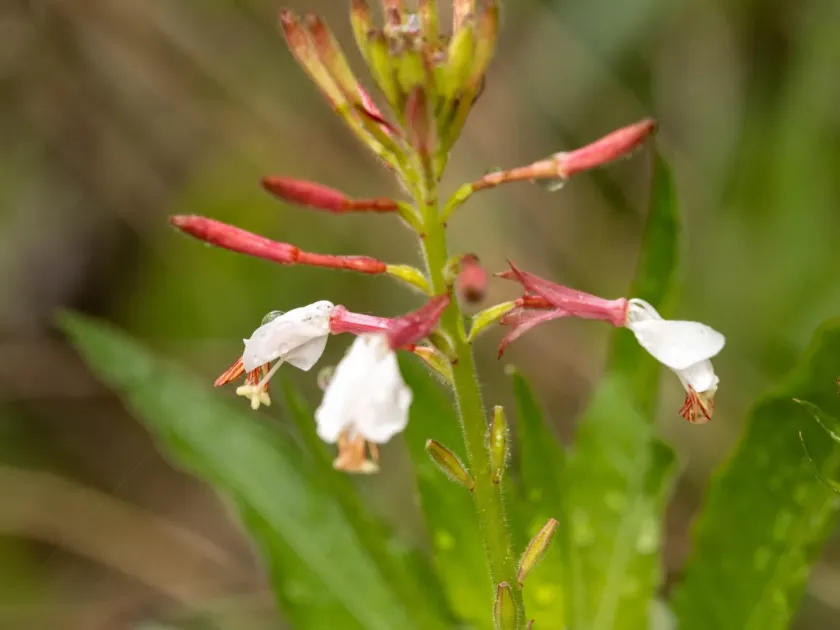
Description
Sowing dates
Biennial gaura is typically propagated by seeds, which should be sown in early spring once the threat of severe frost has completely passed.
For uniform germination, seeds can be sown in seed trays under greenhouse conditions, maintaining a temperature range of 18°C to 22°C.
Seedlings develop a robust taproot system, so it is advisable to use deep containers or individual pots to prevent root damage during transplanting.
Direct sowing in prepared garden beds should be done at a shallow depth, as the seeds require exposure to light for optimal emergence.
Thinning is required if the seedlings emerge too densely, allowing at least 45 centimeters of space between individual plants for proper development.
Growing requirements
As a member of the Onagraceae family, this species originates from North America and is well-adapted to meadows and open, sunny environments.
Gaura biennis demands full sun exposure to maintain its structural integrity; insufficient light levels result in leggy stems and poor flower production.
The plant performs best in well-drained, sandy or loamy soils with a neutral or slightly alkaline pH balance.
While mature plants are highly drought-tolerant, consistent soil moisture during the establishment phase promotes faster growth and better initial vigor.
In regions with cold winters, the plant needs well-drained soil to prevent crown rot, which is the primary cause of plant loss in wet conditions.
Main diseases and pests
Root rot is the most significant threat to Gaura biennis, occurring almost exclusively when the soil remains waterlogged for extended periods.
Powdery mildew is a common foliage disease, especially in environments where air circulation is restricted or humidity levels are constantly high.
Aphids are the primary insect pests that target the terminal growth and floral spikes, potentially leading to stunted development of the blooms.
Integrated pest management strategies involve regular monitoring and the use of targeted biological controls to prevent heavy aphid infestations.
Proper spacing and the selection of airy sites are essential cultural practices to mitigate the risk of fungal infections and ensure plant health.