
Garcinia celebica
Garcinia celebica
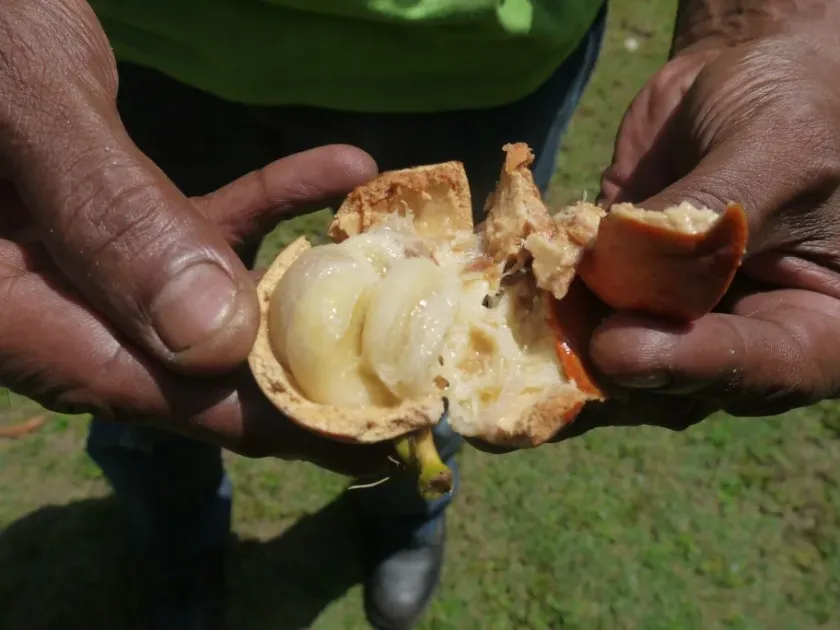
Description
Growing requirements
Garcinia celebica is a perennial tropical tree belonging to the Clusiaceae family. It is characterized by its evergreen foliage and a dense, symmetrical crown, making it a distinctive species within its natural habitat.
The plant originates from the tropical regions of Southeast Asia, specifically the Celebes islands and surrounding areas. It thrives in environments where high humidity and consistent tropical temperatures persist throughout the year.
Regarding soil requirements, this crop favors deep, nutrient-rich, and well-draining soils. Proper soil structure is essential for root health, as the species is highly sensitive to waterlogged conditions that lead to oxygen deprivation.
The agrotechnical approach focuses on maintaining adequate moisture levels through irrigation, especially in regions with distinct dry seasons. Mulching around the base of the tree is recommended to preserve soil moisture and regulate temperature fluctuations.
In terms of light exposure, adult trees prefer full sunlight to maximize photosynthetic efficiency and fruit production. However, nursery seedlings require partial shading to protect tender tissues from intense solar radiation.
Yield
The primary economic value of Garcinia celebica lies in its edible fruits, which are highly regarded for their unique flavor profile. These fruits are typically consumed fresh or processed into artisanal culinary products.
Beyond human consumption, the wood of this tree is occasionally utilized for small-scale timber production due to its moderate hardness. Ensuring high yields requires precise management of tree spacing to prevent inter-canopy competition.
Main diseases and pests
Fungal infections in the root zone pose the most significant threat, often resulting from improper drainage or excessive rainfall in poorly ventilated sites. Preventive measures include regular soil inspection and the application of fungicides when necessary.
Pest pressures primarily include scale insects and various leaf-eating beetles that can cause significant damage to the canopy. Maintaining tree vigor through proper nutrition is the most effective strategy for ensuring natural resistance to these pests.