
Ganophyllum falcatum
Ganophyllum falcatum
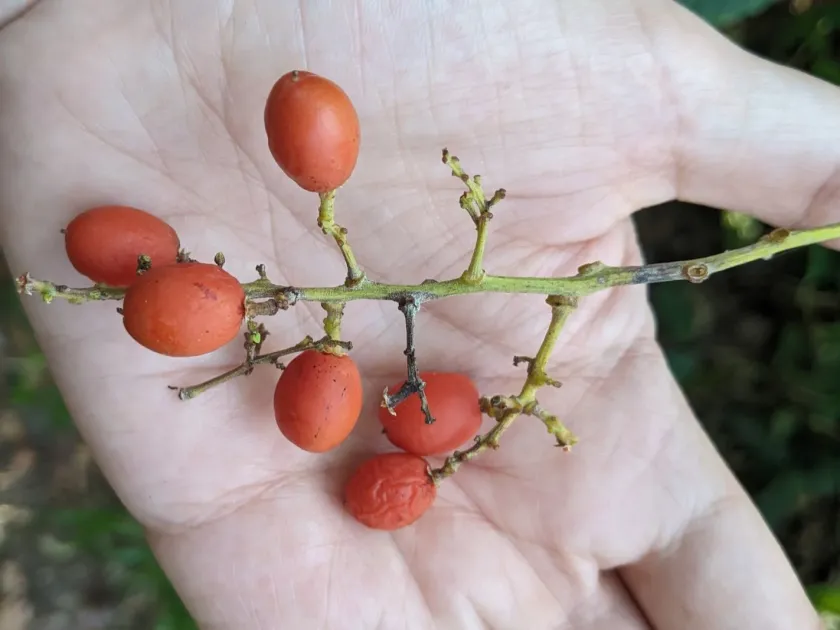
Description
Growing requirements
Ganophyllum falcatum is a notable tropical tree species belonging to the Sapindaceae family. It is recognized for its robust growth habit and its significant role in the biodiversity of Southeast Asian and Oceanic tropical forests.
The tree originates from humid rainforest ecosystems, spanning from Indonesia to the northern parts of Australia. It thrives in regions characterized by high annual precipitation and consistently warm temperatures, which are essential for its physiological development.
Soil requirements for Ganophyllum falcatum include well-drained, nutrient-rich substrates. The species prefers loamy soils that provide excellent aeration, as excessive waterlogging can impede root respiration and stunt overall growth.
Climate adaptation is a critical factor for this species, as it requires a humid atmosphere to maintain leaf turgor and metabolic activity. Direct exposure to intense, dry winds is detrimental to saplings, which typically grow better under the partial canopy of taller trees.
In terms of forest management, this tree is often integrated into selective logging systems or agroforestry projects. Maintaining correct spatial density is vital for young trees to compete effectively and develop a straight, high-quality trunk.
Harvesting
The primary economic value of Ganophyllum falcatum lies in its high-quality timber. The wood is appreciated for its durability, dense grain structure, and aesthetic appeal, making it a desirable material for high-end furniture manufacturing and construction.
Beyond timber production, local communities utilize the tree in traditional applications. Various reports indicate the use of bark and leaves in folk medicine, reflecting the presence of potentially bioactive chemical compounds within the plant tissues.
Harvesting practices must adhere to sustainable forestry principles. Selective extraction of mature trees ensures that the surrounding forest structure remains intact, allowing for natural regeneration and the continued survival of the species within the habitat.
Processing the timber requires professional drying techniques. Because the wood is dense, controlled kiln drying is often necessary to minimize checking and warping, ensuring the material remains suitable for fine woodworking and industrial applications.
Ongoing research focuses on the silviculture of the species to enhance reforestation efforts. By establishing seed banks and specialized nurseries, conservationists aim to preserve the genetic diversity of this valuable tree for future generations.