
Galiniera saxifraga
Galiniera saxifraga
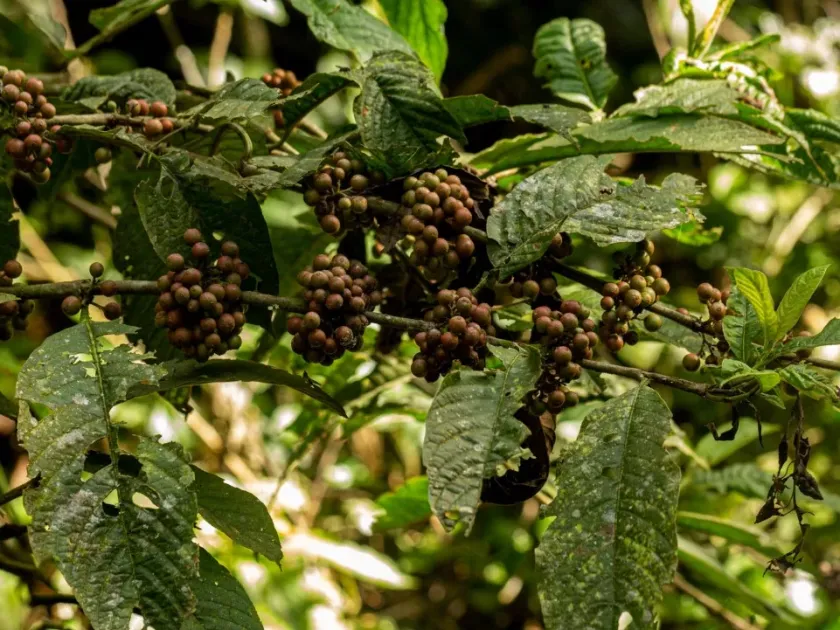
Description
Growing requirements
Galiniera saxifraga is a distinct woody plant belonging to the Rubiaceae family. Known for its presence in the mountainous regions of tropical Africa, it typically grows as an understory shrub or a small, slender tree.
The plant is native to high-altitude forests, thriving in areas with consistent moisture and stable, cool temperatures. Its ability to adapt to dense forest conditions makes it a significant species in tropical ecological systems.
Botanically, it is characterized by opposite leaves and distinctive flowering patterns typical of its family. The fruit production is a crucial stage that supports local avian populations and ensures natural regeneration.
For successful cultivation, the plant requires fertile, acidic, and well-draining soil. It is highly sensitive to soil compaction and waterlogging, which can rapidly lead to root decay and overall plant failure.
Management of this species in an agricultural context requires an understanding of its ecological niche. It performs best under canopy protection or in controlled shaded environments that mimic its natural habitat.
Main diseases and pests
Fungal leaf spots represent the most common pathological threat to Galiniera saxifraga. These infections often proliferate when ambient humidity levels remain excessively high for extended periods.
Pest populations, including scale insects and aphids, frequently target the succulent growth tips of the plant. Regular scouting is recommended to prevent localized infestations from spreading throughout the stand.
Root system pathogens, particularly those triggered by poor drainage, pose a lethal risk. Providing a soil structure that promotes aeration is essential for long-term plant health.
Competition from invasive weeds can severely hinder the establishment of young plants. Maintaining a clean cultivation area is necessary during the early stages of the plant's development.
As an under-researched crop, it lacks specialized chemical control protocols. Integrated Pest Management (IPM) strategies focusing on biological balance are the most sustainable approach for its cultivation.