
Narrow-leaved hemp-nettle
Galeopsis ladanum
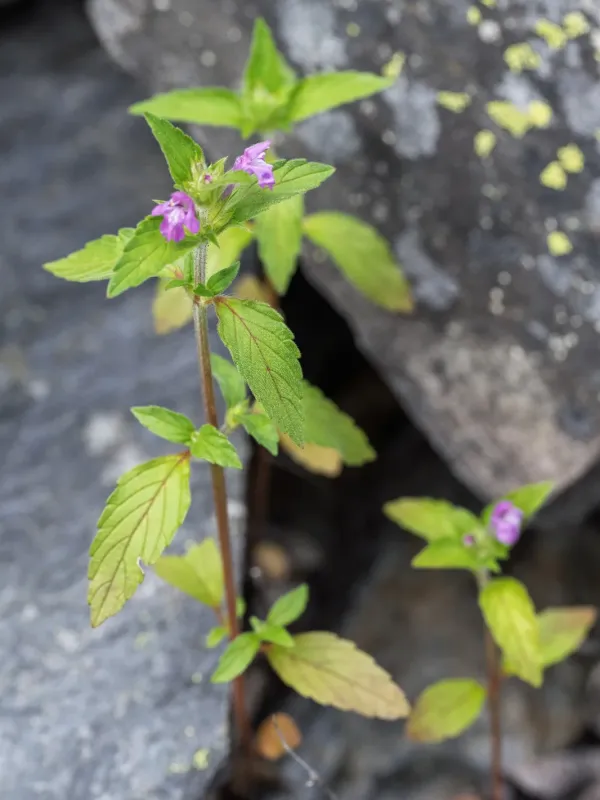
Description
Sowing dates
The narrow-leaved hemp-nettle is an annual plant that reproduces through seeds. Germination typically begins in early spring, once the soil temperature consistently reaches 6–8 degrees Celsius. This timing allows the plant to establish itself ahead of many summer crops.
Seeds are best buried at shallow depths of 2–4 centimeters, ensuring access to essential surface moisture. Overly deep sowing can lead to reduced germination rates, although the seeds exhibit excellent survival rates in dormant soil conditions.
As a prolific seed producer, a single plant can scatter thousands of seeds across the field. Farmers utilize pre-seeding cultivation techniques to encourage early germination followed by mechanical destruction of the seedlings.
The emergence of seedlings is often triggered by soil disturbance, making proper field preparation essential. In temperate regions, occasional germination may occur in the autumn, with plants surviving the winter as small rosettes.
Management of the seed bank is critical, as seeds can remain viable in the soil for several years. Consistent weeding strategies and crop rotation are the primary methods for limiting population expansion.
Growing requirements
Belonging to the Lamiaceae family, the narrow-leaved hemp-nettle thrives in well-drained, light-textured soils such as sandy or loamy-sandy soils. It has a notable preference for soils with a neutral or slightly alkaline pH and is frequently found in limestone-rich areas.
The plant demonstrates a strong requirement for sunlight and does not tolerate significant competition from taller agricultural crops. Consequently, it is most often found in fields with low plant density or along the borders of cultivation zones.
Water requirements are moderate. While the plant possesses a deep taproot that provides drought resistance, its optimal growth phase coincides with periods of consistent moisture during the spring and early summer.
Agronomic management involves maintaining soil health and preventing nutrient leaching, which can give the hemp-nettle an advantage over slower-growing crop species. Regular field monitoring is necessary during the early stages of crop development.
To discourage growth, farmers employ precise fertilization techniques and keep field edges clear of debris. Reducing the physical disturbance of the soil during the crop's growth stage can also help limit the establishment of new plants.
Main diseases and pests
The narrow-leaved hemp-nettle is susceptible to common fungal pathogens, with powdery mildew being the most significant threat. This disease typically manifests as a white, powdery coating on the leaves, which significantly impacts the plant's photosynthetic efficiency.
Several types of insects, including beetles and leaf-miners, feed on the foliage throughout the growing season. While these pests rarely destroy the entire population, they can cause significant stress, resulting in stunted development.
Aphids are a frequent presence on the tender upper stems of the plant. By consuming the plant's sap, they not only weaken the individual plant but also serve as potential vectors for various viral diseases that may affect nearby crops.
Root rot can occur in instances of prolonged soil waterlogging, which is generally atypical for this species' preferred dry, light soils. Such conditions lead to rapid senescence and overall decline in plant vitality.
- Powdery mildew
- Aphids
- Leaf-eating beetles
- Root-rot pathogens
Harvesting
While often classified as a weed, the narrow-leaved hemp-nettle possesses chemical properties that have historically been utilized in specialized botanical preparations. Harvesting is usually conducted manually during the flowering phase.
The timing of the harvest is critical, as the secondary metabolites reach their peak concentration during the full bloom stage. Collectors prioritize plants with healthy, vibrant foliage to ensure maximum quality of the raw material.
Post-harvest processing involves air-drying the biomass in shaded, well-ventilated areas. Direct exposure to intense sunlight is strictly avoided, as UV radiation can degrade the active organic compounds within the stems and leaves.
In large-scale agriculture, the presence of these plants during the harvest of grains is considered a contamination issue. Efficient cleaning of the harvested grain using specialized sieve equipment is required to remove the small hemp-nettle seeds.
If plant residues are to be composted, they must be processed at high temperatures to ensure the complete neutralization of seeds. This prevents the reintroduction of the weed into the soil during the next season.