
Funaria hygrometrica
Funaria hygrometrica
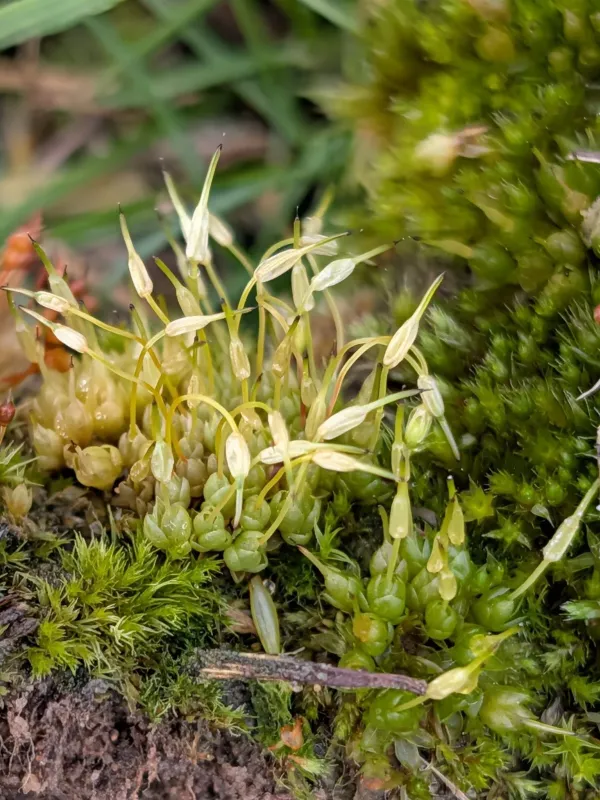
Description
Growing requirements
Funaria hygrometrica, known as the common cord moss, belongs to the Funariaceae family. It is a cosmopolitan moss species recognized for its unique ability to colonize disturbed sites, particularly burned ground and ash-rich soils.
The plant thrives in environments characterized by nutrient-rich mineral soils. Its colonization cycle is often triggered by fire, as it prefers the alkaline conditions provided by wood ash, making it one of the first species to occupy post-fire landscapes.
Botanically, the species is distinguished by its hygroscopic peristome teeth. These structures move in response to changes in air humidity, which acts as a precise mechanism for the gradual release and dispersal of spores into the surrounding area.
Regarding climate and soil, Funaria requires consistent moisture levels to sustain its growth. While it is highly plastic in terms of light exposure, it avoids extremely arid environments and is typically found in greenhouses or nurseries with stable irrigation.
Agrotechnical management of this moss involves maintaining proper drainage. In greenhouse settings, the moss often acts as an indicator of overwatering or soil compaction, signaling the need for improved aeration of the growing medium.
Main diseases and pests
Threats to the establishment and growth of Funaria include strong interspecific competition with vascular plants. As higher plants shade the area, the moss colony typically declines due to a lack of necessary solar radiation.
Pests such as springtails and certain types of mites may occasionally consume the gametophyte tissue. However, these interactions are rarely devastating and are usually managed through standard sanitation practices in agricultural facilities.
Diseases are not a significant factor for mosses, but bacterial or fungal infections can occur if the moisture remains stagnant for extended periods. This can lead to the decay of rhizoids and the eventual collapse of the colony structure.
Excessive application of chemical fertilizers often proves lethal to mosses. High concentrations of nitrogen salts disrupt the sensitive physiological balance of the Funaria colony, leading to rapid bleaching and eventual death of the gametophytes.
Controlling the spread of this moss in horticultural settings is best achieved by altering the soil pH and improving the surface structure of the potting mixes, which discourages the germination of spores and the development of protonemata.