
Fumaria reuteri
Fumaria reuteri
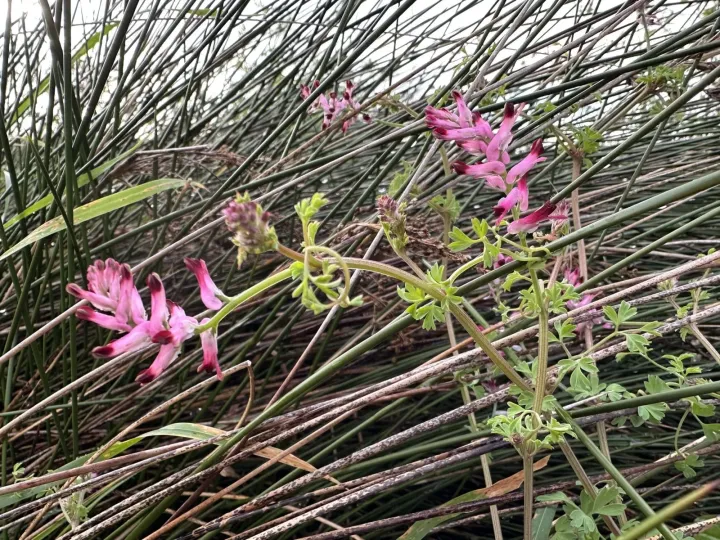
Description
Sowing dates
Fumaria reuteri is an annual herbaceous plant whose biological activity begins in early spring. The optimal time for sowing or natural seed germination is when the soil warms up to 8–10 degrees Celsius, which typically occurs in April.
The seeds of the plant have a long dormancy period, so stratification is recommended for successful cultivation. Under controlled growing conditions, sowing is carried out in rows with spacing of up to 30 cm to ensure the full development of the root system.
The planting depth should not exceed 1–2 centimeters, as small seeds require good contact with the moist soil layer. It is advisable to sow during calm weather to ensure an even distribution of the seed material across the field.
After mass emergence, mandatory thinning is performed if the planting density exceeds the norm of 50–60 plants per square meter. This is necessary to prevent intra-crop competition for nutrients and sunlight.
In regions with a mild climate, late autumn sowing is possible, allowing for earlier vegetative mass. However, this approach requires thorough soil preparation in the fall and protection of seedlings from sharp temperature fluctuations during the transition period.
Growing requirements
This species prefers open, well-lit areas as it is sensitive to shading. In its natural environment, Fumaria reuteri is most often found on carbonate soils with a neutral or slightly alkaline reaction.
The crop requires moderately moist soils but cannot tolerate waterlogging in the root zone. Light sandy or loamy soils rich in mineral elements are the ideal substrate for intensive cultivation.
During the active growth phase, the plant requires a stable temperature range of 15–22 degrees. A significant rise in temperature combined with a drop in humidity can cause premature flowering and reduced biomass production.
Availability of space is an important factor, as the plant forms a sprawling stem. In agronomy, it is crucial to ensure that neighboring crops do not suppress the development of Fumaria with their taller stalks.
Crop rotation must be followed when cultivating this plant, avoiding planting after other members of the poppy family to prevent the accumulation of specific pathogens in the soil. Mineral nutrition should be balanced, with an emphasis on phosphorus and potassium.
Yield
The economic value of Fumaria reuteri lies primarily in the harvesting of green mass, which is utilized in the pharmaceutical industry. The yield of dried raw material varies greatly depending on seasonal conditions and the agronomic background.
Maximum biomass yield is reached at the start of the flowering phase, when the concentration of active alkaloids in the plant hits its peak. On average, one hectare can produce from 5 to 12 quintals of dried plant material.
Regular irrigation during dry periods can increase green mass output by 20–30 percent. Intensification of agronomic practices, including timely weeding, helps minimize harvest losses caused by unwanted vegetation.
A key factor determining the final yield is the preservation of leaves during drying. Since the plant has delicate stems, the primary processing requires care to prevent mechanical damage and spoilage of the raw material.
To assess the productivity of the crops, it is recommended to carry out test cuts on control plots. This allows for the determination of the optimal moment to start harvesting, ensuring the product meets national quality standards.
Main diseases and pests
The main threat to Fumaria plantings is root rot, which occurs when moisture levels are not managed correctly. Excessive watering or poor soil drainage quickly leads to the infection of the root collar by pathogenic fungi.
Among pests, aphids cause the most damage by sucking juices from young shoots. Infestation by aphids leads to leaf deformation, curled tops, and significant suppression of the plant's overall health.
Powdery mildew infections are also possible, especially during periods of high humidity and poor air circulation within the canopy. Prevention lies in maintaining spatial isolation and timely thinning of the plants.
Leaf-eating insects can cause mechanical damage to leaf blades, creating an entry point for bacterial infections. If pest density is high, the use of biological insecticides approved for medicinal crops is required.
For the protection of the crops, the use of highly toxic chemical agents is strongly discouraged due to the plant's sensitivity. The best strategy remains preventive care, proper site selection, and strict adherence to agronomic rules.
Harvesting
The harvest of Fumaria reuteri is conducted during the mass flowering period, when the plant contains the maximum amount of biologically active compounds. This is the most critical stage determining the quality of the medicinal material.
Raw material collection is performed by mowing the above-ground part of the plant at a height of 5–10 cm from the soil surface. Using a sharp tool prevents injury to the root system, which is important for natural regeneration in wild populations.
The collected mass must be transported to the drying facility as quickly as possible to avoid self-heating and fermentation processes within the plant layer. Leaving the mown grass exposed to direct sunlight for long periods is strictly prohibited.
Drying is carried out in well-ventilated rooms or specialized dryers at temperatures not exceeding 40–45 degrees Celsius. Ensuring uniform airflow is important to prevent leaf darkening and the loss of essential oils.
Storage of the dried raw material is handled in airtight paper or fabric bags in a dry, dark place. Adherence to storage conditions ensures the retention of the pharmacological properties of the plant for up to two years.