
Breynia disticha
Breynia disticha J. R. Forst. & G. Forst.
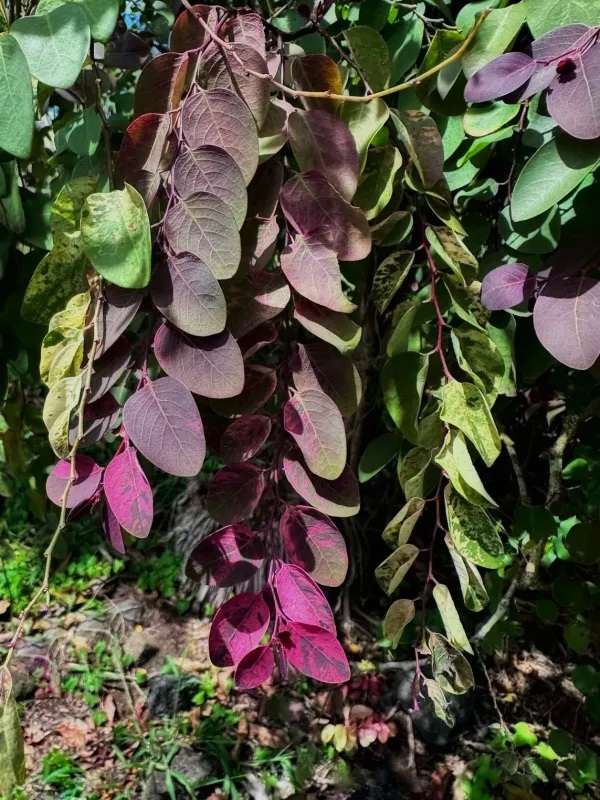
Description
Growing requirements
Breynia disticha is a member of the Phyllanthaceae family, known for its elegant foliage and shrubby habit. Its natural range encompasses the Pacific Islands, including Vanuatu and New Caledonia, where it thrives in humid and warm tropical forest environments.
The cultural requirements for this plant focus on maintaining consistent environmental conditions. It requires bright, indirect light to maintain the vibrant variegation of its leaves. Exposure to direct noon sun can scorch the foliage, while shade results in greener, less distinct leaf coloration.
Temperature management is critical for the healthy development of this species. It prefers a stable environment between 20°C and 25°C. Cold drafts or sudden drops in temperature will cause immediate physiological stress, often leading to rapid leaf drop.
For substrate, the plant requires a loose, well-draining potting medium. A mixture of peat, perlite, and organic matter is ideal to provide both moisture retention and oxygen flow to the roots. Proper drainage is non-negotiable to prevent root asphyxiation and disease.
Standard agronomic practice involves consistent watering schedules that keep the medium moist but not waterlogged. Because of its tropical nature, the plant benefits significantly from high ambient humidity, which can be achieved through regular misting or using a humidity tray.
Main diseases and pests
Pest pressures primarily include spider mites, which thrive in low-humidity indoor environments, and scale insects. Both pests drain plant sap and can cause significant damage to the leaf structure, requiring prompt application of horticultural oils or systematic insecticides.
Root rot, often caused by Pythium or Phytophthora species, is the most common pathology. It occurs almost exclusively due to over-irrigation or compacted, anaerobic soil conditions that prevent the roots from accessing sufficient oxygen, necessitating careful soil management.