
Fokienia
Fokienia hodginsii
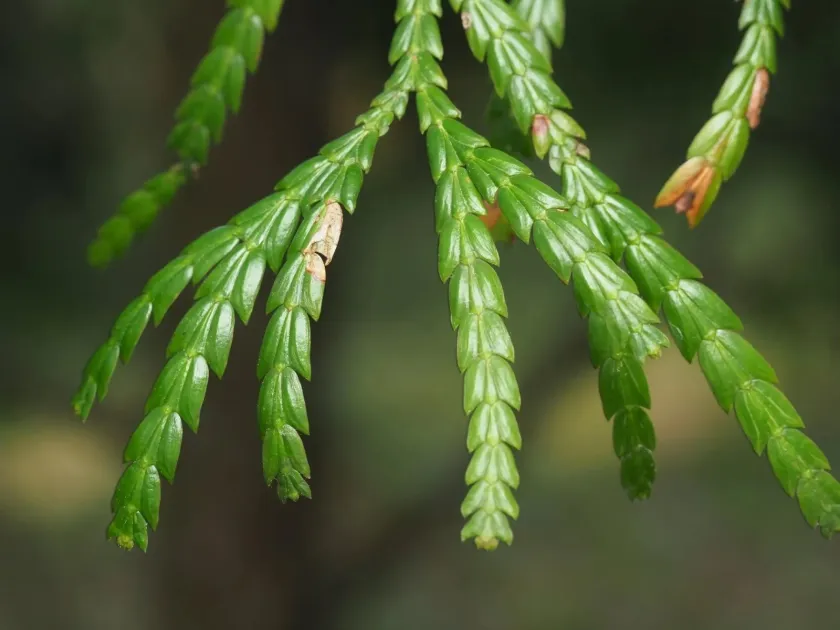
Description
Growing requirements
Fokienia hodginsii is a rare evergreen conifer belonging to the Cupressaceae family. Known for its aesthetic appeal and high-quality timber, this species has a distinct botanical structure characterized by dimorphic leaves that evolve as the tree matures.
The native range of this tree is limited to the mountainous regions of Vietnam, Laos, and Southern China. It thrives in humid subtropical climates, requiring areas with stable temperatures and protection from extreme seasonal shifts.
Successful cultivation depends on well-drained, fertile soil with high organic content. The species is highly sensitive to waterlogging, necessitating the installation of proper drainage systems in commercial plantations.
The tree exhibits moderate shade tolerance in its early years, making it suitable for understory planting initially. However, as it approaches maturity, increased light exposure becomes essential for robust growth and proper crown development.
Agrotechnical management includes regular mulching of the root zone to retain moisture and temperature stability. Protecting young saplings from harsh winds is also a critical step to ensure healthy growth in the first few seasons.
Yield
The primary agricultural output of Fokienia is its highly durable and fragrant timber. It is extensively utilized in luxury furniture making and high-end cabinetry due to its natural resistance to decay and insects.
Essential oils extracted from the wood and leaves are a significant byproduct. These oils are prized in the perfume and traditional medicine industries, providing an additional source of revenue for growers.
Yield efficiency is directly linked to optimized plantation density and age-specific maintenance. While growth is relatively slow, the high market value of the harvested products justifies the long-term investment.
The tree serves as an excellent candidate for ornamental landscaping in subtropical regions. Its unique form and evergreen foliage provide high aesthetic value in park developments and botanical gardens.
Sustainable production practices, including wood waste processing, allow for an integrated economic approach. By utilizing all parts of the tree, farmers can maximize the value of each harvest while minimizing waste.
Main diseases and pests
Fungal pathogens represent the most significant threat, particularly in soils with poor drainage. Proactive application of fungicides and monitoring of soil moisture levels are vital to preventing root rot issues.
Pests such as spider mites can thrive during extended dry periods when air humidity drops. Implementing a consistent crown misting schedule can effectively deter these pests and maintain foliage health.
Habitat loss and illegal harvesting remain major external threats to the species' overall population. Commercial cultivation provides a sustainable alternative that relieves pressure on wild forests and preserves the species.
Boring insects may target trees that have become weakened due to nutrient deficiency or mechanical damage. Regular health inspections and timely pruning of compromised branches are essential management practices.
Nutrient imbalances can lead to needle chlorosis, significantly affecting the tree's vigor. Utilizing balanced, slow-release fertilizers specifically designed for conifers ensures the plant receives necessary minerals for healthy development.