
Flagellaria guineensis
Flagellaria guineensis
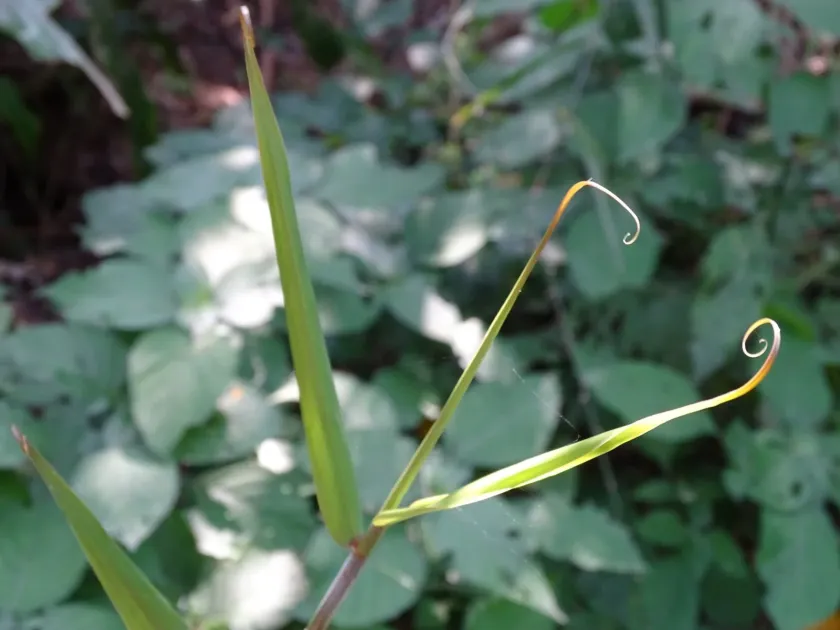
Description
Growing requirements
Flagellaria guineensis is a perennial climbing herb belonging to the Flagellariaceae family. It is distinct for its specialized leaf tips that act as tendrils, allowing the plant to climb effectively through forest vegetation in its native tropical African habitats.
The plant is native to tropical Africa, commonly found in riverine forests and swampy environments. It thrives in high-humidity climates where temperatures remain consistent throughout the year, making it a classic example of a tropical climbing species.
Optimal growth requires well-drained, nutrient-rich soils that retain some moisture without becoming waterlogged. The species is adaptable to varying light conditions, though it exhibits more vigorous growth in areas with partial sun to bright light exposure.
Agricultural propagation is primarily achieved through seeds, requiring constant moisture for germination. For successful establishment, the plant needs stable vertical supports, such as trellises or surrounding trees, to reach its full vegetative potential.
Economic importance is centered on its durable, flexible stems. These are harvested and used for traditional basketry, furniture weaving, and creating sturdy cordage, showcasing the plant's value as a sustainable resource in local craft industries.
Main diseases and pests
Root rot caused by stagnant water or poor soil aeration represents a major threat to the plant. Maintaining proper drainage systems is critical to prevent pathogens from colonizing the root zone of the young plants.
Pests such as spider mites and scale insects can become problematic, especially during periods of lower air humidity. Effective control measures include maintaining high environmental humidity and using biological pest management strategies.
Weed competition during the initial growth phase can significantly impede the development of Flagellaria guineensis. Early weeding and the establishment of a clean cultivation zone are essential to ensure the plant gains sufficient sunlight.
Nutrient deficiency, indicated by yellowing of the foliage, can occur if the soil is leached of essential minerals due to heavy tropical rains. Controlled fertilization with organic matter helps maintain plant vigor and stem flexibility.
Fungal leaf spot diseases are potential threats in high-density plantations with poor air circulation. Providing adequate space between plants and practicing routine sanitation helps mitigate the risks of disease transmission within the crop.