
Fittonia hybrid
Fittonia hybrids
Description
Growing requirements
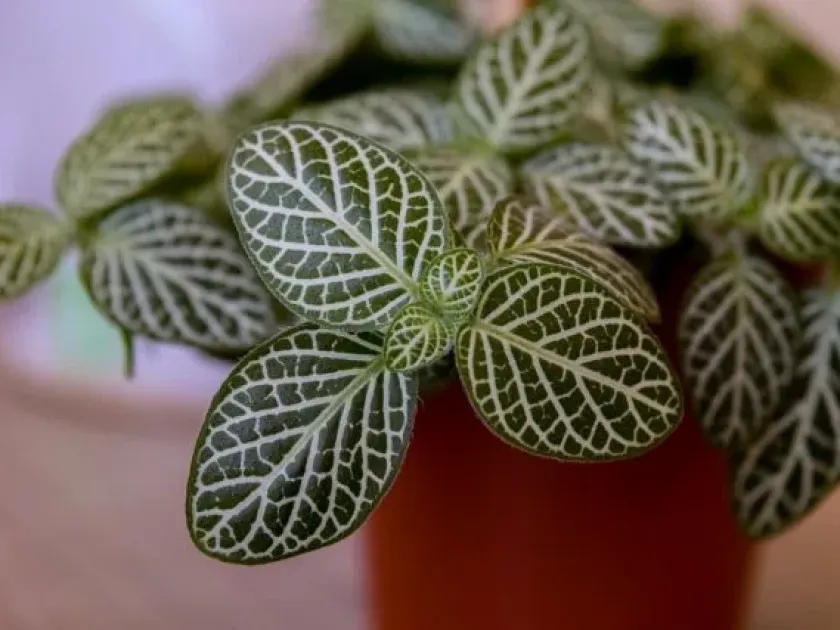
Fittonia hybrid (Fittonia hybrids) is a small-statured, herbaceous perennial plant belonging to the Acanthaceae family. Its botanical profile is characterized by distinct, colorful vein patterns on the leaves, which are typically oval or elliptical in shape and feature a velvety texture.
Originally from the tropical rainforests of South America, this species thrives in environments with constant humidity and shaded light. In indoor cultivation, it is widely valued as an ornamental houseplant suitable for terrariums and humid environments due to its low-growing, spreading habit.
The plant requires a well-draining, peat-based potting mix that retains moisture while preventing root compaction. Maintaining a soil pH of approximately 6.0 to 7.0 is ideal for nutrient uptake. A balanced fertilizer can be applied during the growing season to promote vibrant leaf coloration.
Climate control is crucial for this species; it prefers temperatures between 20°C and 26°C. It is highly sensitive to cold drafts and sudden changes in climate, which can cause significant wilting and leaf drop within a very short period of time.
Light exposure should be moderate to low. While the plant can tolerate lower light levels, bright, indirect light is necessary to maintain the intensity of the leaf venation patterns. Direct, intense sunlight should be avoided to prevent foliar scorching and dehydration.
Main diseases and pests
Common pests that may affect Fittonia include spider mites, mealybugs, and scale insects. These pests often proliferate when the plant is stressed by low humidity or poor cultural practices. Regular inspection of the undersides of the leaves is recommended for early detection.
Root rot is the most significant disease threat, typically caused by overwatering or poorly draining soil. To mitigate these risks, it is essential to allow the top layer of the substrate to dry slightly before the next irrigation cycle and to ensure the container has sufficient drainage holes.