
Filicium decipiens
Filicium decipiens (Wight & Arn.) Thwaites ex Hook. f.
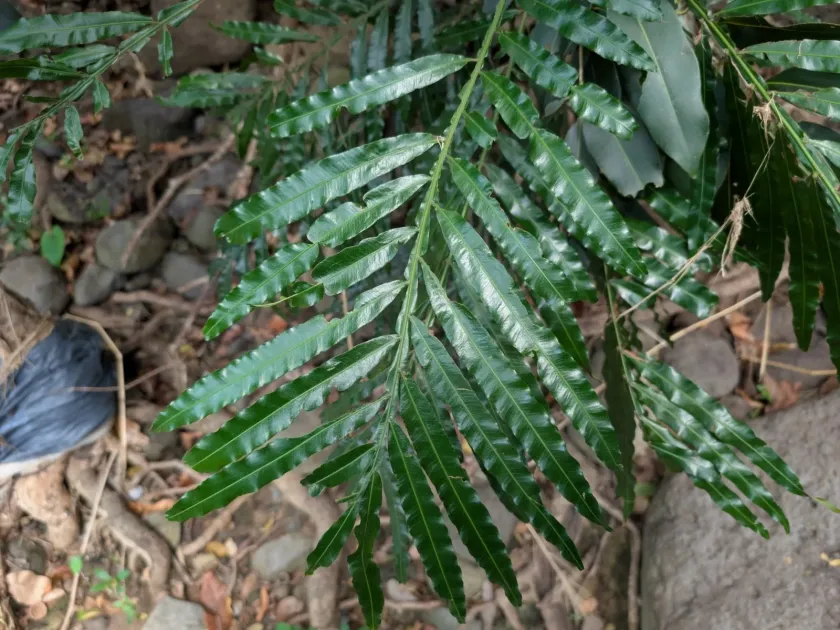
Description
Growing requirements
Filicium decipiens, commonly known as the Fern Tree, is a member of the Sapindaceae family. It is prized for its attractive, feathery, fern-like foliage which creates a lush and dense canopy, making it an excellent choice for ornamental landscaping.
The species is native to tropical regions of East Africa and Asia, including parts of India and Sri Lanka. It thrives in warm, humid climates and is widely cultivated in tropical and subtropical zones as an urban ornamental and shade tree.
The tree requires well-draining, fertile soils to reach its full potential. While it can adapt to various soil types, maintaining a steady supply of nutrients and avoiding waterlogged conditions is essential for the tree's long-term health and vitality.
Climatically, Filicium decipiens prefers sunny locations with high heat levels. It is not frost-tolerant and should be protected from sudden temperature drops, especially in its early growth stages when the root system is not yet fully established.
Agricultural management involves routine pruning to maintain the desired crown shape and structural integrity. Due to its slow to moderate growth rate, it is highly valued for low-maintenance park designs and street beautification projects.
Main diseases and pests
Pest management for Filicium decipiens is primarily focused on controlling scale insects and aphids. These pests often congregate on the undersides of leaves, extracting sap and weakening the overall vigor of the plant if left unchecked.
Fungal leaf spot diseases may appear in environments with poor air circulation or excessive moisture. Improving ventilation within the tree canopy through strategic pruning is a fundamental cultural practice to prevent the spread of fungal spores.
Root rot is a critical threat that usually arises from improper irrigation practices. Ensuring that the soil structure provides adequate drainage is the most effective way to prevent the development of root pathogens.
The use of integrated pest management (IPM) techniques is recommended for large-scale plantings. This includes monitoring for early symptoms of stress, such as yellowing leaves or stunted growth, and applying targeted organic or chemical treatments as needed.
Regular maintenance inspections are vital to ensuring the health of the tree. By removing dead or diseased wood promptly, growers can significantly reduce the risk of secondary infections and keep the population of harmful insects under control.