
Festulolium hercynicum
Festulolium hercynicum
Description
Sowing dates
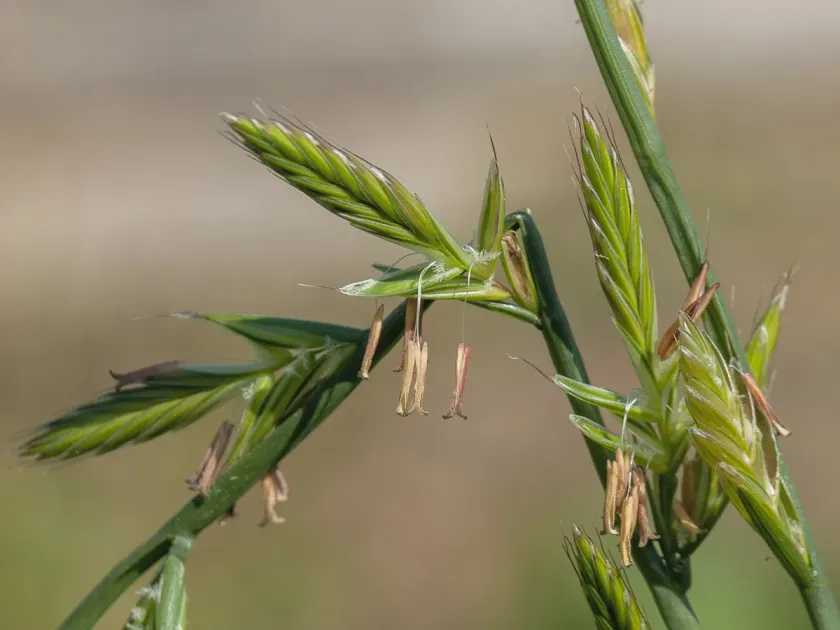
Festulolium hercynicum is a high-performance intergeneric hybrid created by crossing Festuca (fescue) and Lolium (ryegrass). As a member of the Poaceae family, it synthesizes the superior winter hardiness of fescue with the nutritional quality and rapid regrowth characteristic of ryegrass.
The optimal sowing time depends on the local climate, but early spring is generally preferred to allow the crop to establish a deep root system before the heat of mid-summer. Alternatively, late summer sowing is common in regions with mild autumns.
When sowing in the autumn, it is crucial to ensure that seeds are planted at least 6 weeks before the onset of permanent frost. This helps seedlings reach a stage where they are resilient enough to survive harsh winter conditions.
Seeds should be planted at a shallow depth of 1–2 cm. Achieving a good soil-to-seed contact via rolling is essential to ensure uniform germination and to prevent desiccation of the seeds in the upper soil layers.
The seeding rate typically ranges from 15 to 20 kg/ha for pure stands. The high tillering capacity of the hybrid allows it to form a dense sward, which effectively suppresses weed encroachment and preserves soil moisture.
Growing requirements
This crop thrives in fertile, well-drained soils. While it exhibits some tolerance to varying soil types, it performs best on loamy soils with a pH ranging between 5.5 and 7.0, where nutrient availability is optimal for rapid biomass production.
Nitrogen fertilization is the primary driver of yields for Festulolium hercynicum. Split applications are recommended throughout the growing season to support continuous growth after each cut or grazing cycle.
The plant shows impressive ecological flexibility, demonstrating greater drought resistance than pure ryegrass while maintaining better palatability than traditional fescue. However, consistent moisture is still required to maximize yield potential.
Potassium and phosphorus levels should be monitored via soil testing. These nutrients are vital for ensuring long-term stand longevity and strengthening the plant's structural integrity against cold-induced damage during winter.
- Nitrogen requirements: High
- Preferred soil: Fertile loam
- pH range: 5.5–7.0
Yield
Festulolium hercynicum is renowned for its high biomass production, often exceeding the yield of traditional perennial grass species. Its fast regrowth allows for multiple cuts per season, providing a steady supply of high-quality forage.
The nutritional profile of this hybrid is exceptional, featuring high sugar and protein content. This makes it an ideal choice for farmers looking to produce high-value hay or silage for livestock production.
Grazing management is a critical factor in maintaining high yields. Proper rotational grazing ensures that the plant has enough rest time to replenish root reserves, which is essential for surviving several years of productive use.
In addition to its feed value, the deep root system of this hybrid improves soil structure and promotes biological activity in the rhizosphere, which can benefit subsequent crops in a rotation cycle.
With proper management, a stand can remain productive for 5 to 7 years. This longevity makes it a cost-effective choice for both permanent pastures and intensive forage-producing fields.
Main diseases and pests
While the hybrid is naturally robust, it can be susceptible to rust and powdery mildew under conditions of high humidity and poor air circulation. Proper management of plant density is a key preventive measure.
Common agricultural pests like aphids and cereal flies can impact young stands. Integrated pest management, including regular scouting and maintaining healthy soil conditions, is the best approach to mitigate these risks.
Root rot issues are primarily associated with waterlogged or poorly aerated soils. Selecting fields with proper drainage systems is the most effective way to avoid these physiological and pathological stressors.
Overgrazing is a major threat to stand health, as it weakens the plant and exposes the soil to erosion. Maintaining an appropriate stubble height is necessary for rapid regrowth and disease suppression.
Using high-quality, certified seeds is the foundational step in protecting the crop. Seed treatments help prevent the introduction of soil-borne or seed-borne pathogens that could compromise the stand's establishment.