
Abyssinian fescue
Festuca abyssinica
Description
Sowing dates
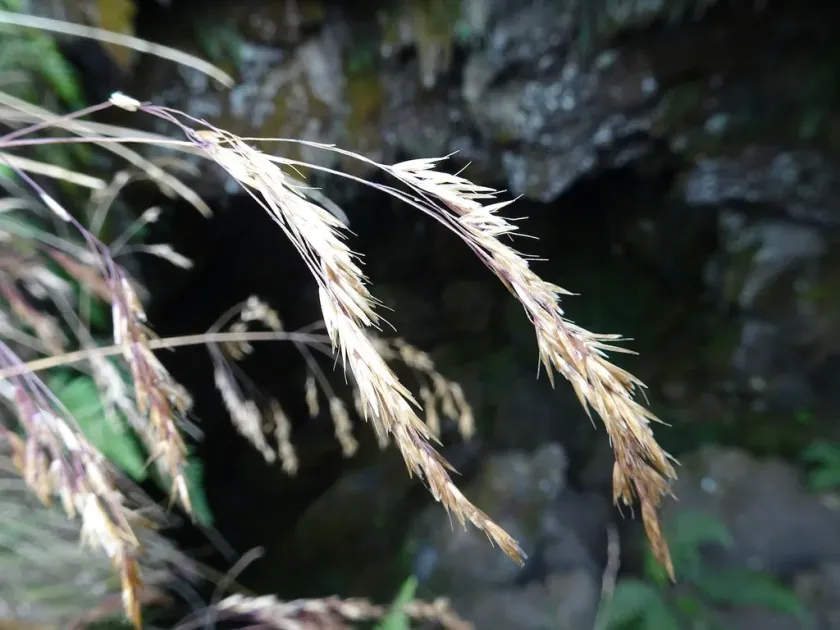
Abyssinian fescue, known botanically as Festuca abyssinica, is a perennial grass species belonging to the Poaceae family. It is native to the high-altitude regions of Eastern Africa, particularly Ethiopia, where it thrives in cool, mountainous environments.
Sowing this crop requires a well-prepared, fine-textured seedbed. The ideal time for planting is the beginning of the rainy season, as the seed requires consistent soil moisture to achieve uniform germination and seedling establishment.
Seeds should be sown at a shallow depth of approximately 1 to 2 centimeters. Because the seeds are relatively small, firming the soil after sowing is crucial to ensure good contact between the seed and soil particles, which promotes effective moisture uptake.
Seeding rates should be adjusted based on the intended land use. Higher densities are recommended for pastures to encourage rapid ground cover and reduce soil erosion, while lower densities might be sufficient for forage production fields.
Early-stage management is vital for success. Seedlings grow at a moderate pace, making them susceptible to weed competition during the first few weeks. Implementing mechanical or cultural weed control measures during this period is essential for a productive stand.
Growing requirements
Abyssinian fescue is adapted to specific ecological niches, preferring well-drained soils ranging from sandy loams to clay loams. It does not tolerate prolonged waterlogging or anaerobic conditions, which can lead to root decay and stand thinning.
The plant is highly resilient to cold temperatures, being naturally selected for the harsh, fluctuating climates of high-elevation plateaus. It excels in cool conditions where many other forage crops might struggle to survive or maintain biomass production.
Soil pH levels should ideally be maintained between 5.5 and 7.0 for optimal nutrient availability. While it can survive in slightly acidic soils, liming may be necessary on highly degraded land to improve overall vigor and forage quality.
In terms of light, the plant performs best in open areas with high solar radiation. Although it can endure partial shading in mountainous terrains, maximum foliage production and tiller density are achieved when sunlight exposure is unrestricted.
Fertilization should be guided by regular soil testing. Nitrogen application is particularly effective for boosting vegetative growth after harvesting or grazing cycles, while phosphorus and potassium are essential for long-term root health and stress tolerance.
Yield
The primary agricultural use of Abyssinian fescue is as a high-quality forage crop for grazing livestock. Its nutrient profile, characterized by good protein content and digestibility, makes it a favored choice for highland pastoral farming.
Forage yield is highly dependent on environmental factors, particularly moisture distribution during the growing season. Under favorable conditions, the grass is capable of producing multiple cuts or sustained grazing opportunities throughout the year.
A notable advantage of this species is its ability to maintain forage quality into the early reproductive phase. This provides farmers with a wider window for harvesting or grazing, reducing the risks associated with missing the peak maturity date.
Seed production requires careful timing, as grains tend to shatter once fully mature. To maximize seed recovery, harvesting should occur when the crop reaches the dough stage, followed by prompt drying to prevent quality loss.
A well-managed stand can persist for several years, providing reliable yields. Over time, as the stand ages and the sod becomes overly dense, productivity may stabilize or decrease, signaling the need for renovation through discing or overseeding.
Main diseases and pests
Fungal diseases are the most common biological threats to Abyssinian fescue, particularly rusts and various leaf spots. These pathogens thrive in humid, cool conditions and can significantly reduce the photosynthetic area of the leaves if left untreated.
Powdery mildew can also occur, especially in stagnant air or poorly ventilated fields. Management involves ensuring proper spacing and avoiding excessive nitrogen applications, which can create dense, succulent tissue more prone to infection.
Insect pests, such as grass-feeding flies and aphids, are known to attack the stems and developing leaves. These insects weaken the plant by feeding on sap and can act as vectors for various plant viruses, further compromising overall vitality.
Soil-dwelling pests like wireworms can damage the root systems of young plants. Preventing such damage is best achieved through crop rotation or pre-sowing soil assessments in areas known to have high pest pressures.
Integrated pest management (IPM) strategies, including the use of resistant varieties, balanced fertilization, and timely mowing, are the most effective ways to maintain a healthy stand without relying exclusively on chemical interventions.
Harvesting
Harvesting for forage is typically done through grazing or mechanical mowing. When cutting for hay, it is essential to capture the crop at the onset of flowering to achieve the best balance between yield and nutritional quality.
To ensure rapid regrowth, the mowing height should be set between 5 and 8 centimeters. Cutting too low can deplete the plant’s stored carbohydrates in the base of the stems, significantly delaying recovery and increasing susceptibility to heat stress.
Proper curing is critical for hay quality. In the moist environments where this grass is often grown, using tedders to fluff the windrows helps moisture escape, preventing the development of mold or heat-related quality degradation.
For seed harvesting, a combine harvester is used, often in a two-stage process where the crop is swathed first. This allows for even drying and uniform maturation, ensuring high germination rates for the harvested seed batch.
Final seed processing includes cleaning to remove chaff and debris, followed by drying to a moisture content of around 12%. Storing the seeds in cool, dry conditions preserves their viability for subsequent sowing seasons.