
Fernaldia pandurata
Fernaldia pandurata
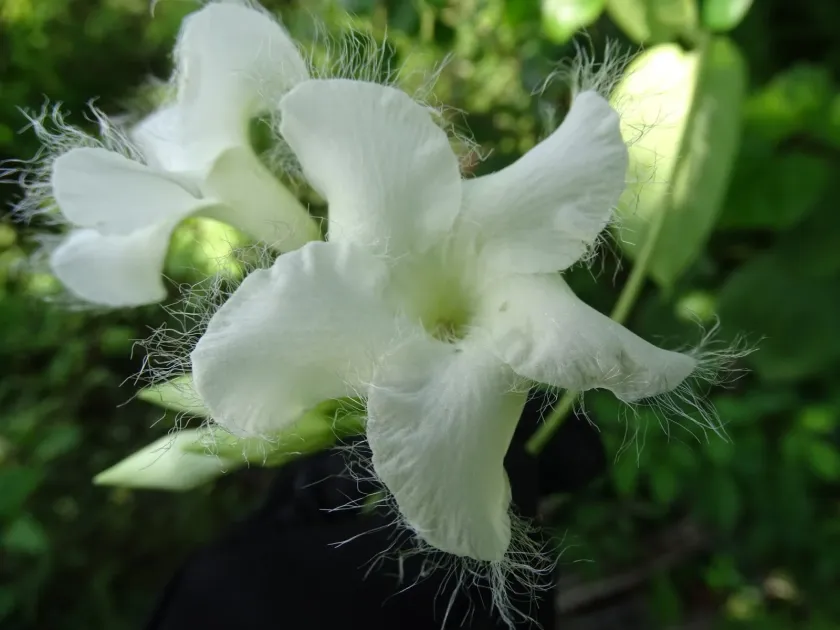
Description
Sowing dates
Fernaldia pandurata, commonly referred to as loroco, is a perennial climbing vine that is highly valued for its edible flowers, primarily in Central American agriculture.
Propagation is generally achieved through cuttings or specialized nursery seedlings, ensuring a strong and uniform establishment of the crop upon field transplanting.
The ideal planting time coincides with the start of the rainy season, allowing the root systems to anchor deeply before the onset of the peak growing cycle.
This crop requires structural support in the form of trellises or wires, as the plant possesses a vigorous vining habit that necessitates vertical growth management.
Proper spacing of approximately 1.5 meters between plants is recommended to facilitate airflow and ensure ease of access for routine maintenance and harvesting activities.
Growing requirements
As a member of the Apocynaceae family, this plant thrives in tropical and subtropical environments, requiring warm temperatures throughout the year to maintain productivity.
Well-draining, fertile soils are essential for success, as waterlogged conditions quickly lead to root rot and significant physiological stress for the vine.
Exposure to sunlight is a critical factor for floral induction, necessitating open-field cultivation where the plant receives ample light throughout the day.
Consistent moisture management is required; while the plant is robust, prolonged drought can result in flower abortion and reduced yields during the blooming season.
Organic fertilization, applied biannually, provides the necessary nutrients to sustain continuous blooming, ensuring that the plant remains vigorous for multiple harvest cycles.
Yield
The yield of loroco is heavily dependent on pruning practices; regular trimming of terminal shoots stimulates the development of new flowering nodes.
Under optimal management, a single vine can provide productive harvests for several years, making it a sustainable and cost-effective crop for small-scale growers.
Peak yields typically occur during the second and third years after planting, once the plant has fully developed its canopy across the trellis system.
Marketable yield is dictated by the precise timing of harvest, as consumers demand firm, unopened buds to ensure maximum shelf life and culinary quality.
Variations in regional weather patterns, specifically rainfall volume, directly impact the length of the harvest season and the total biomass produced per hectare.
Main diseases and pests
Aphids and mites are the primary pests affecting Fernaldia pandurata, frequently clustering on tender new growth and developing flower clusters.
Fungal pathogens associated with high humidity can compromise plant health; therefore, maintaining good air circulation is a standard preventative agricultural measure.
Defoliating insects can reduce the photosynthetic capacity of the plant, necessitating regular scouting to manage populations before they cause economic injury.
Sanitation practices, including the removal of infected plant material and weeds, are vital to preventing the spread of diseases within the cultivated plot.
Integrated pest management strategies are often employed to balance chemical applications with biological controls, protecting both the crop and the surrounding environment.
Harvesting
Harvesting is performed by hand, typically during the early morning hours, to capitalize on the freshness and rigidity of the buds before the midday heat.
Care must be taken to remove only the mature buds, leaving sufficient foliage to allow the plant to continue its metabolic processes for future production.
Once harvested, the delicate buds must be handled with care to prevent bruising, and they should be stored in temperature-controlled conditions to minimize post-harvest respiration.
Quality grading is conducted at the source to separate buds based on size and maturity, ensuring that only the most marketable products reach the final consumer.
Fast logistics are imperative, as the product has a relatively short shelf life, making proximity to processing facilities or local markets a key operational advantage.