
Fedia graciliflora
Fedia graciliflora
Description
Sowing dates
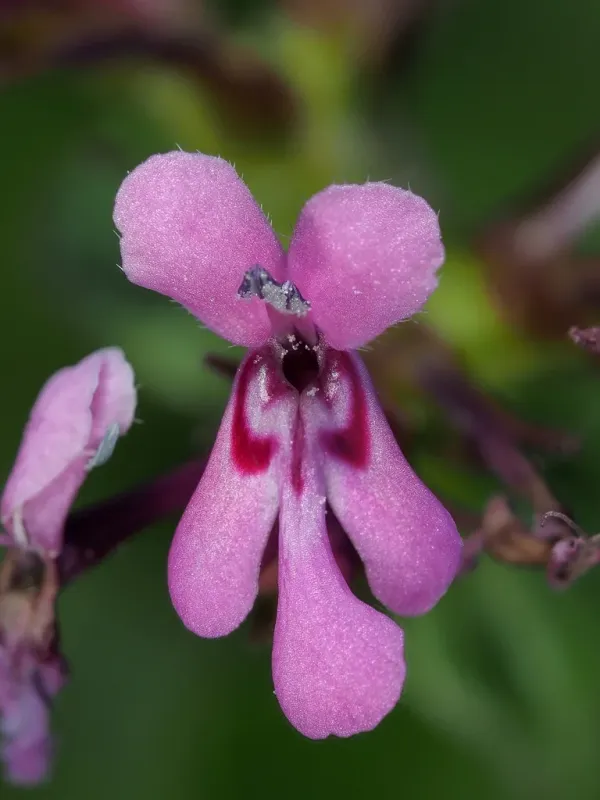
Fedia graciliflora is an annual herbaceous plant belonging to the Caprifoliaceae family. Sowing of this crop is usually carried out in the autumn or early spring, immediately after the snow melts.
For optimal seed germination, stable soil moisture and moderate air temperature are essential. Seeds should be sown at a depth of no more than 1–2 centimeters, which ensures better contact with the moist substrate.
The plant demonstrates good germination energy when the temperature is maintained in the range of +10 to +15 degrees Celsius.
Sowing density directly depends on the goals of cultivation: it can be higher for green mass production and more sparse for seed farming.
Choosing the right plot while considering the crop rotation allows for the prevention of excessive weed infestation during the early growth stage.
Growing requirements
The crop prefers well-drained loamy or sandy soils with a neutral pH, which is a crucial factor for the development of its root system.
Fedia shows high sensitivity to waterlogging, so selecting elevated plots is a priority agrotechnical practice for this species.
The plant requires sufficient sunlight for the normal process of photosynthesis, although it can withstand light shading during hot periods.
Optimal soil fertility for this species includes a moderate content of humus and a balanced availability of nitrogen and phosphorus.
It is important to provide regular watering during dry periods, as the culture reacts poorly to the rapid drying of the topsoil layer.
Yield
The yield of green mass of Fedia graciliflora depends on the background fertilization and water availability during the period of intensive stem and leaf growth.
With proper agrotechnics, the plant forms a compact rosette that transitions into a leafy flowering shoot, providing a sufficient volume of biomass.
The economic use of the crop is oriented toward obtaining vitamin-rich green fodder in the early spring period when other crops are not yet vegetating.
Average yield indicators may vary depending on the climatic zone, representing a sufficient volume for small-scale production.
To increase seed yield, timely fertilization with microelements during the budding phase is recommended to stimulate the development of full-fledged fruits.
Main diseases and pests
Among the main threats to Fedia graciliflora are fungal diseases, which develop under conditions of excessive air and soil humidity.
Root rots are the most dangerous pathogens capable of causing crop death if watering regimes are violated or plot drainage is insufficient.
Pests such as aphids or leaf-eating insects may cause localized damage, though the damage usually remains minimal in a strong crop.
Disease prevention includes observing crop rotation, using treated seed material, and timely weed management.
Upon detecting the first signs of infection, it is recommended to use biological preparations that meet ecological standards of agricultural production.
Harvesting
Harvesting for green mass is carried out before the beginning of the mass flowering phase to preserve maximum nutritional value and leaf tenderness.
Mechanical harvesting is performed with mowers adjusted to cut without damaging the growth point if regrowth is expected.
For seed harvesting, operations are shifted to the wax or full maturity phase, when the flower stalks acquire a characteristic brownish hue.
After mowing, the biomass must be transported to a processing or drying site as quickly as possible to prevent the loss of nutrients.
Storage of seed material requires a dry environment and protection from direct sunlight to maintain high germination rates.