
Falcatifolium taxoides
Falcatifolium taxoides
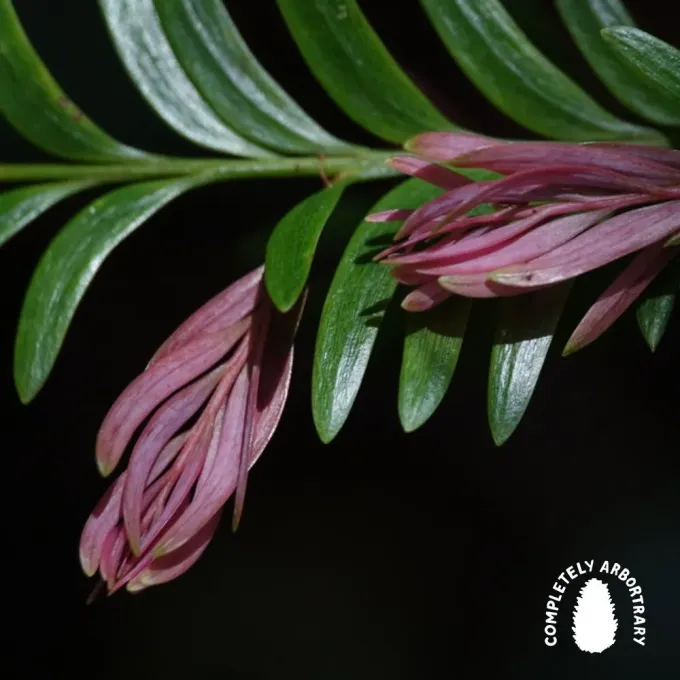
Description
Growing requirements
Falcatifolium taxoides is a unique evergreen coniferous tree belonging to the Podocarpaceae family. It is native to the tropical rainforests of New Caledonia, where it thrives in humid, shaded environments typical of the region's complex forest structure.
The cultivation of this species requires strict adherence to tropical climate conditions, as it is highly sensitive to frost and significant temperature fluctuations. In non-native regions, it can only be maintained in specialized glasshouses or botanical conservatories with controlled microclimates.
For optimal development, the soil must be well-drained, porous, and rich in organic matter. Despite the tree's preference for high atmospheric humidity, it is vital to prevent waterlogging at the root zone, which can quickly lead to root decay.
Botanically, the tree is characterized by its distinct, yew-like foliage, which gives it its specific epithet taxoides. The growth habit is generally slow, and the tree maintains an evergreen canopy that is highly efficient at capturing light in dense, multi-layered forest environments.
Its primary current use is found in botanical research and ex-situ conservation programs aimed at protecting endangered island flora. It is not considered a commercial agricultural crop due to its slow growth rates and strict ecological requirements.
Main diseases and pests
The primary threats to Falcatifolium taxoides in cultivation involve fungal pathogens, particularly those affecting the roots. Excessive humidity without adequate air circulation creates an ideal breeding ground for pathogenic fungi that compromise the tree's health.
Common indoor pests, such as scale insects and spider mites, can also pose significant risks to individual specimens. Regular monitoring and integrated pest management (IPM) are necessary to maintain the aesthetic and biological health of the plants in a conservatory setting.