
Falcatifolium falciforme
Falcatifolium falciforme
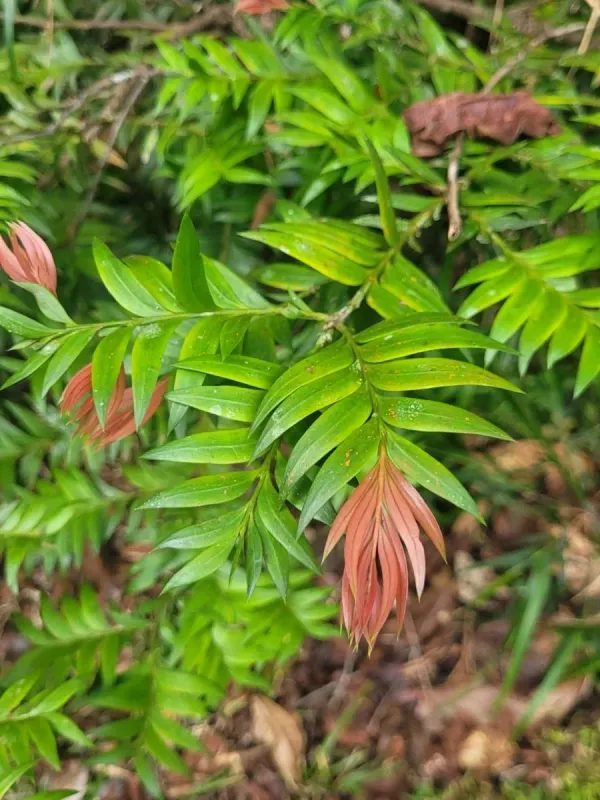
Description
Sowing dates
The propagation of Falcatifolium falciforme is primarily handled through seed cultivation within specialized forestry nursery settings.
Seeds must be thoroughly cleaned of their fleshy arils to prevent post-harvest fungal contamination during the germination phase.
Planting typically involves a nutrient-rich, acidic substrate that mimics the organic matter found on the floor of tropical forests.
Successful germination relies heavily on maintaining a stable tropical microclimate, characterized by consistent warmth and high humidity levels.
Timing the sowing process is critical, often coinciding with the onset of the wet season to ensure natural hydration for sensitive seedlings.
Growing requirements
This coniferous species is endemic to the tropical rainforests of Southeast Asia, specifically thriving in the high-rainfall regions of Borneo and Malaysia.
The plant requires an environment free from frost, as it is physiologically adapted to stable, high-temperature conditions year-round.
Soil drainage is a vital requirement, as the root system is highly susceptible to waterlogging and subsequent root decay in stagnant conditions.
As a shade-tolerant species during its juvenile stage, it necessitates canopy cover to prevent leaf scorching from direct, intense tropical sunlight.
Maintaining high atmospheric humidity is essential, as the needle-like foliage can desiccate rapidly if exposed to dry air conditions.
Yield
Commercial timber production is not viable due to the species' slow growth rate and its status as a threatened plant under IUCN criteria.
Current agricultural and forestry efforts focus on conservation and ecosystem restoration rather than the extraction of biomass.
Research into the species highlights its significant role in carbon sequestration and maintaining the integrity of pristine forest ecosystems.
There is no standard yield metric for this culture, as it is protected and generally excluded from conventional industrial forestry cycles.
Future potential might lie in botanical conservation programs that provide sustainable managed populations for scientific study and ecological monitoring.
Main diseases and pests
Habitat loss due to large-scale deforestation and land conversion for agriculture represents the single greatest threat to wild populations.
In nursery environments, specific root-attacking pests and pathogens often arise, necessitating strict phytosanitary control measures.
Fungal root diseases are frequently observed when drainage systems are inadequate, leading to excessive moisture retention in the growing medium.
Competition from fast-growing invasive plant species can easily outcompete and suppress the growth of young Falcatifolium falciforme saplings.
Sensitivity to chemical fertilizers, which can cause severe damage to the root system, requires an organic and carefully balanced nutrient approach.