
Exomis microphylla
Exomis microphylla
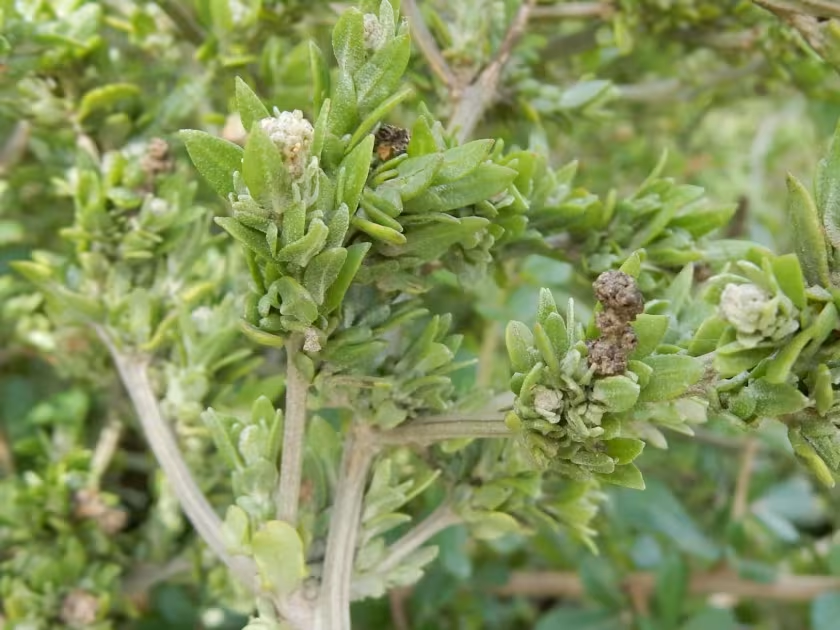
Description
Growing requirements
Exomis microphylla is a perennial shrub belonging to the Amaranthaceae family. It is a native species to the southern regions of Africa, where it has evolved to thrive in harsh, arid environmental conditions.
Botanically, the plant is characterized by small, resilient leaves and a deep root system designed for moisture retention. This architectural adaptation enables the species to maintain its metabolic functions during prolonged dry spells.
Cultivation requires well-draining soils, preferably those with a sandy or rocky texture. The species is highly intolerant of waterlogging, which often leads to rapid decay of the root network and plant mortality.
Exomis microphylla exhibits significant salt tolerance, making it an excellent candidate for agricultural use in saline soils where traditional crops fail to survive. It thrives in high-light intensity environments.
The primary economic value of this crop is its potential as a forage source in arid landscapes. It provides essential biomass for livestock when high-quality water and green feed are scarce.
Main diseases and pests
The most significant threat to the health of Exomis microphylla is soil-borne fungal pathogens. These organisms typically proliferate when the soil remains moist for too long, necessitating strict water management.
Sucking insects, particularly aphids and scale insects, pose a threat by extracting nutrients from the foliage. These pests can cause chlorosis and stunted growth if left unmanaged in large-scale plantings.
Preventative strategies should prioritize proper plant spacing to facilitate air circulation, which reduces the local humidity levels around the canopy and prevents the onset of fungal diseases.
Weed control is essential, as competing vegetation can act as a reservoir for pests and diseases. Furthermore, weeds compete for the limited soil moisture that is critical for the survival of the shrub.
Integrated pest management (IPM) is the recommended approach for this culture, emphasizing biological control and cultural practices over chemical interventions to protect the fragile soil ecology.