
Xerochrysum bracteatum
Xerochrysum bracteatum (Vent.) Tzvelev
Description
Sowing dates
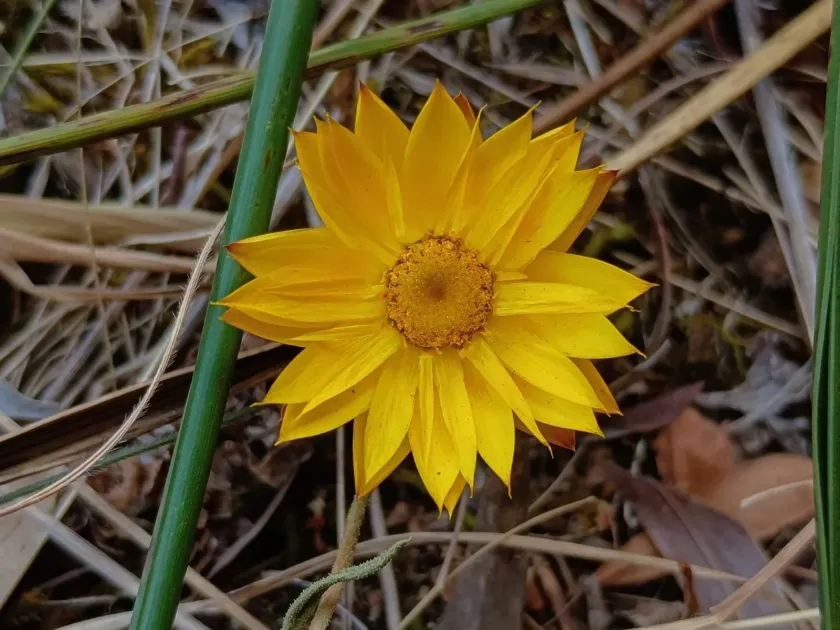
Xerochrysum bracteatum, commonly known as the strawflower or paper daisy, is an annual plant in the Asteraceae family. It is prized globally for its stiff, papery bracts that retain their vibrant colors long after drying.
Seeds should be sown indoors in late winter or early spring, approximately 6 to 8 weeks before the last frost date. They require a lightweight, well-draining seed starting mix and consistent warmth to germinate effectively.
Transplanting seedlings to their permanent location in the garden should only occur once the threat of frost has completely passed, as these plants are highly sensitive to cold temperatures.
For direct seeding in warmer climates, seeds can be sown directly into the soil after the weather has warmed up in late spring, ensuring the soil remains moist until germination occurs.
Providing adequate spacing, around 25 to 30 centimeters between plants, is essential to prevent overcrowding and to promote good airflow, which reduces the risk of fungal infections.
Growing requirements
Strawflowers thrive in full sun conditions. They require at least 6 to 8 hours of direct sunlight daily to produce sturdy stems and the most vibrant flower colors.
The ideal soil for Xerochrysum is well-draining, moderately fertile, and slightly acidic to neutral in pH. Poor drainage is the most common cause of failure in cultivating this crop.
While the plants are relatively drought-tolerant once established, regular and deep watering during the active growth phase significantly increases flower production and stem quality.
Fertilization should be handled carefully. Excessive nitrogen can lead to lush vegetative growth but reduced flowering, so a balanced, low-nitrogen fertilizer is recommended.
These plants originate from Australia, making them naturally adapted to heat and intense solar radiation, allowing them to flourish in high-temperature summer environments.
Yield
The yield of Xerochrysum bracteatum is measured by the number of high-quality, harvestable flower stems per square meter. A well-managed plot can produce several flushes of blooms throughout the season.
Quality indicators include the firmness of the center disk, the brilliance of the petal-like bracts, and the straightness of the stems, all of which are influenced by growing conditions.
Regular harvesting of mature blossoms acts as a form of deadheading, encouraging the plant to channel energy into developing new side shoots with additional flower buds.
Commercially, the yield is optimized by planting in successions to ensure a steady supply of cut flowers throughout the entire summer and early autumn period.
Yield management also involves careful monitoring of plant health to ensure that each individual plant reaches its full productive potential without competition from weeds.
Main diseases and pests
Fungal diseases, including downy mildew and botrytis blight, are significant threats, especially in regions with high humidity or poor air circulation within the planting site.
Common insect pests include aphids and spider mites, which feed on the sap of young leaves and flower buds, potentially causing stunted growth and misshapen flowers.
Integrated pest management strategies, such as using insecticidal soaps or beneficial insects, can effectively control pest populations without harming the wider ecosystem.
Crop rotation is essential for long-term health; avoid planting Xerochrysum in areas where other Asteraceae crops were recently grown to prevent the buildup of soil-borne pathogens.
Sanitation, such as the prompt removal and destruction of any infected plant material, is the most effective way to prevent the spread of diseases within the crop.
Harvesting
Harvesting should be timed precisely: the blooms are best cut when the outer bracts have begun to open but the central yellow florets are still mostly closed.
Use sharp, clean shears to make a clean cut at the base of the stem. It is best to harvest in the morning after the dew has evaporated but before the heat of the day.
The stems should be bundled together and hung upside down in a dark, dry, and well-ventilated location to ensure the flowers retain their shape and color during the drying process.
Avoid drying the flowers in direct sunlight, as ultraviolet radiation will cause the pigments in the bracts to fade rapidly, diminishing their commercial value.
Once dried, the flowers should be sturdy and hold their form. Properly dried strawflowers can last for many months in decorative arrangements without losing their structural integrity.