
Eupomatia laurina
Eupomatia laurina
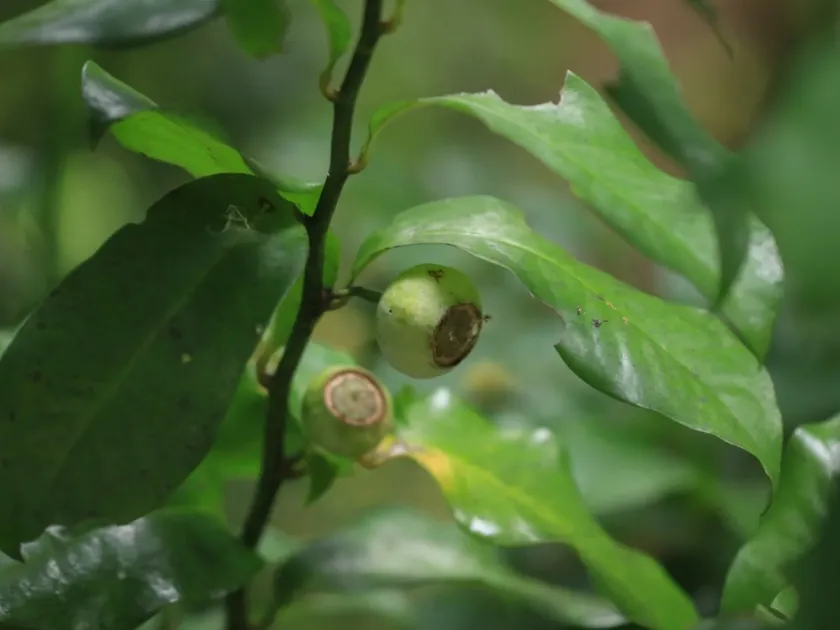
Description
Sowing dates
Propagation of Eupomatia laurina in cultivation is most commonly achieved through seeds, as this is the natural reproductive pathway of the species. The seeds require stratification or immediate sowing while fresh after being extracted from the fruit to ensure optimal germination rates.
The ideal time for sowing is during the spring season, when stable high temperatures promote the emergence of seedlings. Using a lightweight, well-draining substrate rich in organic matter significantly increases the chances of successful establishment.
Seeds should be sown in containers or nurseries protected from direct, intense sunlight. Maintaining consistent soil moisture is crucial, while avoiding waterlogging, which can be detrimental to the delicate root systems of young Eupomatia seedlings during their early developmental stages.
Transplanting young plants to their permanent location should occur once the seedlings have hardened off and developed a robust root system. It is advisable to conduct this process during the active growing season to facilitate better adaptation of the root ball to the new site.
In their native environment, these plants often regenerate via self-seeding; therefore, in controlled settings, it is important to monitor the cleanliness of the propagation material and ensure the site is clear of competing weeds that might suppress young growth.
Growing requirements
Eupomatia laurina is a classic representative of the rainforests of Australia and New Guinea, necessitating high levels of atmospheric humidity. The plant thrives in semi-shaded areas where it is protected from harsh, direct sunlight that can scorch its glossy, laurel-like leaves.
Soil conditions should mimic forest floor environments, preferring humus-rich, slightly acidic, and well-draining substrates. Standing water at the roots must be avoided, as it can easily trigger root rot and other fungal pathologies within the specimen.
The species is highly sensitive to extreme temperature fluctuations and frost. An ideal temperature range for growth is between 20 and 28 degrees Celsius, making it well-suited for greenhouse environments in temperate regions where environmental control is possible.
Regular watering is essential, particularly during dry spells or periods of low rainfall. To maintain its aesthetic appeal and overall health, periodic misting of the canopy is recommended, especially in indoor environments where the air may become excessively dry.
For nutrition, balanced organic fertilizers applied during the spring and summer growing seasons are optimal. This supports the production of biomass and helps prepare the plant for its unique floral cycle, which is a standout feature of the Eupomatiaceae family.
Yield
The commercial use of Eupomatia laurina is primarily focused on its ornamental and scientific value rather than large-scale food production. While the fruits are edible and possess a spicy, aromatic profile, industrial cultivation remains limited due to niche market demand.
Yield in wild populations is heavily dependent on specific insect pollinators, such as weevils, which share a symbiotic relationship with the plant’s flowers. In cultivation, the absence of these specific insects can lead to reduced fruit set, impacting overall productivity.
Harvesting should occur only when the fruits reach full maturity, which is visually indicated by a distinct change in the skin color. Because the fruits have a short shelf life after harvest, they require immediate processing or local distribution to maintain quality.
Future potential lies in exploring Eupomatia as an essential oil or aromatic plant, given the presence of unique compounds in the leaves and fruit. However, current supply levels are insufficient to support broad-scale industrial applications or massive commercial market reach.
Yield can be improved through skilled pruning and canopy management, which enhances light penetration to the lower foliage and encourages more balanced growth. Pruning also stimulates branching, potentially increasing the number of flower buds in subsequent seasons.
Main diseases and pests
Eupomatia laurina exhibits reasonable resistance to common pathogens, though it remains vulnerable to fungal infections when grown in high-humidity greenhouse environments. Powdery mildew and anthracnose are the most frequent concerns when cultural practices are neglected.
Among pests, spider mites pose the greatest threat, particularly when air humidity is insufficient. Effective management includes the use of acaricides and regular misting to wash the foliage and discourage mite colonization in dry conditions.
Root-knot nematodes can affect the root system, especially in outdoor settings where soil has not been properly sterilized. Preventive measures include using high-quality potting mixes and strictly adhering to watering schedules to avoid the over-saturation that encourages soil-borne pests.
Improper light exposure often leads to leaf chlorosis, which can be misdiagnosed as an infectious disease. It is critical to monitor nutrient levels and soil pH to ensure the plant can efficiently uptake necessary micronutrients for healthy leaf development.
- Proactive application of fungicides during periods of excessive humidity.
- Regular inspections of the leaf underside for signs of pest infestations.
- Ensuring adequate ventilation in indoor growing spaces to prevent stagnant air.